


For most people, the idea of “saving money” conjures up images of dramatic sacrifice — skipping vacations, canceling every subscription, or living on rice and beans until a goal is met. That picture is exhausting, and it’s also why so many savings plans collapse within a few weeks. The truth is far less painful: the most durable savings rarely come from cutting joy out of your life. They come from quietly redirecting a slice of the money you already spend, day after day, without much fuss.
Everyday spending is where the real opportunity hides. The coffee, the groceries, the gas, the streaming bills, the small online orders — these unremarkable transactions add up to thousands of dollars a year. When you build a system that captures even a modest fraction of that flow, savings stop feeling like a chore and start happening almost on autopilot. This guide explains how ordinary spending can become a steady source of savings, and how to set it up so it keeps working long after your initial motivation fades.
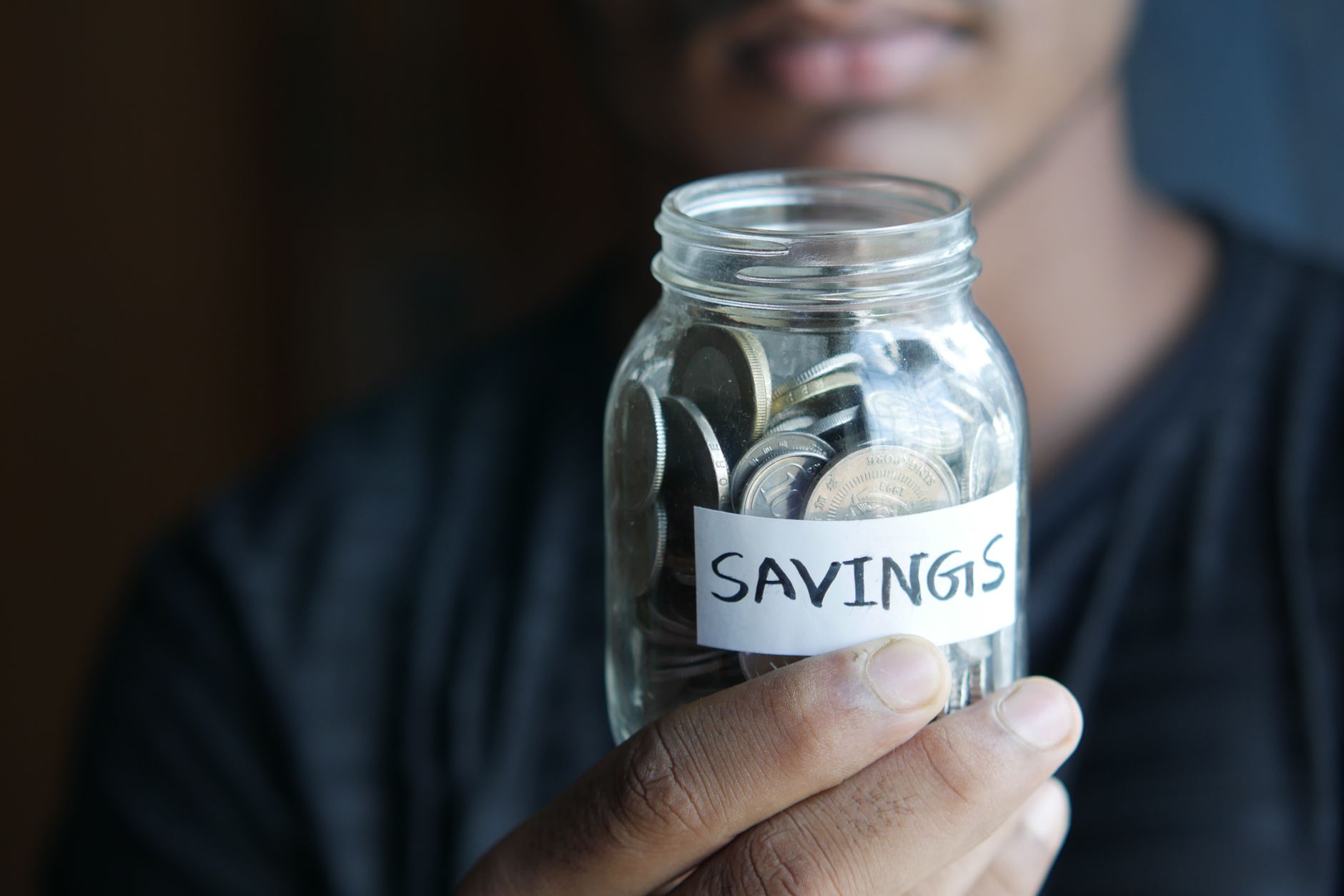
Why Everyday Spending Is the Real Lever
People tend to obsess over big, occasional purchases while ignoring the steady drip of small ones. Yet it’s the small, repeated transactions that quietly shape your financial year. A single five-dollar habit, repeated every workday, costs more than a thousand dollars over twelve months. Multiply that across several routine habits and you’re looking at a meaningful sum flowing out almost invisibly.
This is good news, not bad. Because the spending is regular and predictable, it’s the easiest part of your finances to optimize. You don’t have to find a windfall or wait for a raise. The money is already moving — your job is simply to capture a portion of it. Consistency beats intensity here: a few dollars saved every single day will outperform a heroic one-time cut that you can’t sustain.
Track Before You Trim
You can’t redirect what you can’t see. Before changing anything, spend two to four weeks simply observing where your money goes. The goal isn’t judgment — it’s clarity. Most people are genuinely surprised by what surfaces once everything is written down.
- Log every transaction — large or tiny — using a notebook, a spreadsheet, or your bank’s built-in categories.
- Group by type so patterns appear: food, transport, entertainment, household, and impulse buys.
- Flag the recurring drips — the daily and weekly habits that repeat without you noticing.
This tracking phase often reveals two or three categories quietly absorbing far more than expected. Those categories are your highest-value targets. The point of tracking is not to feel guilty but to replace vague worry with concrete numbers you can actually act on.
Turn Routine Purchases Into Savings Triggers
Once you know where the money flows, you can attach a small savings action to your existing habits. The most powerful trick is to make saving a byproduct of spending you already do, so it requires no extra willpower in the moment.
- Round-up saving: round each purchase up to the nearest dollar and move the difference into savings automatically.
- Mirror saving: whenever you skip a habitual purchase, immediately transfer that exact amount to your savings.
- Percentage skim: set aside a fixed small percentage of routine bills — utilities, groceries, fuel — the moment you pay them.
The mechanism matters less than the principle: tie the saving to something that already happens every day. When a deposit is triggered by an event you can’t skip, the habit sticks far longer than a plan that depends on remembering to act.
Automate So Willpower Isn’t Required
Willpower is a limited resource, and any savings system that leans on it heavily will eventually break. The antidote is automation. When money moves on its own, you remove the daily decision — and removing the decision is what makes the savings permanent.
Set up an automatic transfer that runs on the same day your income arrives, before you have a chance to spend it. Even a small fixed amount is enough to start; the habit is more important than the size. Pair this with automatic round-ups or scheduled skims tied to your routine spending, and your savings begin to grow in the background while your attention is elsewhere. The best system is one you can comfortably forget about and still trust to be working.
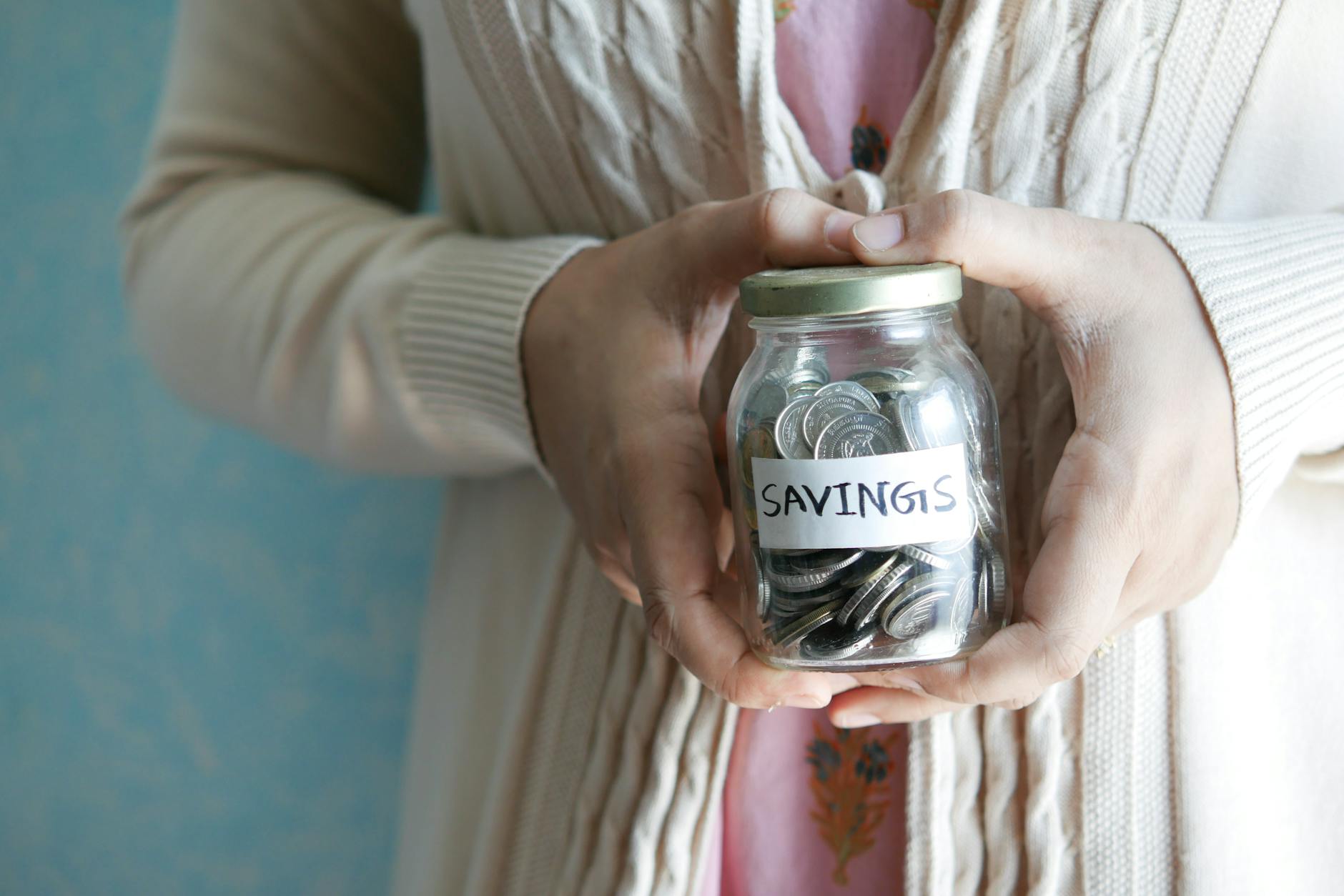
Make Smarter Choices Within the Same Spending
Saving from everyday spending isn’t only about setting cash aside — it’s also about getting more value from each dollar you were going to spend anyway. The goal is to lower the cost of your existing lifestyle without lowering the lifestyle itself.
- Buy staples in bulk when the unit price drops, but only for things you reliably use, so nothing spoils or sits wasted.
- Time predictable purchases around known discount cycles instead of buying at random full-price moments.
- Compare the cost per use rather than the sticker price — a slightly pricier item used daily often beats a cheap one that wears out fast.
- Cut the silent leaks: review subscriptions and recurring charges every few months and drop anything you’ve stopped truly using.
The savings unlocked here are different from putting money aside — they widen the gap between what you earn and what you spend, which is the engine of every healthy financial plan. Spending the same money more thoughtfully quietly frees up cash you can then redirect into savings.
Give Your Savings a Job
Money saved without a purpose tends to drift back into spending. To protect the habit, give each pool of savings a clear destination. A goal turns an abstract balance into something you’re reluctant to touch, and that psychological anchor is what keeps the system intact over time.
Start with a small emergency cushion — even a few hundred dollars dramatically reduces the chance that one surprise expense undoes months of progress. Once that base exists, layer on named goals: a holiday, a replacement appliance, a future move, or simply long-term security. Keeping these pools separate, ideally in distinct accounts, makes it obvious when you’re on track and far less tempting to raid the money for something unrelated. Watching a clearly labeled balance grow is one of the strongest motivators to keep the everyday savings flowing.
Frequently Asked Questions
How much should I try to save from everyday spending?
There’s no universal figure. Start with an amount so small you barely notice it — even one or two dollars a day — and increase it only once the habit feels effortless. Consistency matters far more than the initial amount.
Will tracking every purchase take too much time?
The intensive tracking phase only lasts a few weeks. After that, you’ll know your patterns well enough to maintain the system with quick monthly check-ins rather than daily logging.
What if my budget feels too tight to save anything?
Tracking usually reveals at least one or two recurring drips that can be trimmed without real sacrifice. Begin there, with the smallest possible amount, and let the habit build before stretching further.
Where should the saved money actually go?
Keep it separate from your everyday account so it isn’t accidentally spent. A dedicated savings account, ideally one you don’t see every day, makes the balance harder to dip into and easier to grow.
The Takeaway
Building savings from everyday spending isn’t about deprivation — it’s about awareness and automation. When you see clearly where your money goes, attach small savings to habits you already have, and let automation carry the load, saving stops being a battle of willpower and becomes a quiet background process. Start by tracking, redirect a sliver of your routine spending, give every dollar a purpose, and let time do the rest. Done this way, the ordinary purchases you make without thinking can become the steady foundation of real financial progress.