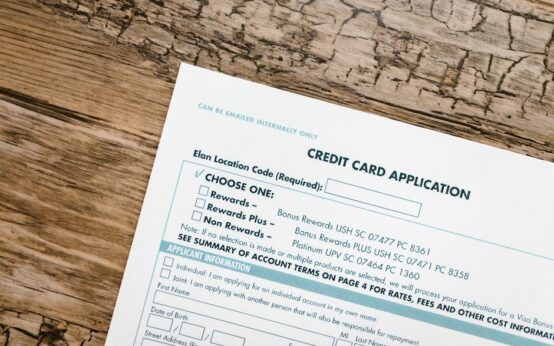
The line between a secured and an unsecured credit card comes down to one thing: a deposit. That single difference shapes who qualifies, how the card behaves, and what it can do for your credit.
How Secured Cards Work
A secured credit card requires a refundable cash deposit before you can use it. That deposit, often between $200 and a few thousand dollars, usually becomes your credit limit and acts as collateral the issuer can keep if you stop paying.
Despite the deposit, a secured card functions like any other credit card. You make purchases, receive a monthly statement, and pay it down, and the issuer reports your activity to the credit bureaus just as it would for a standard account.
Because the deposit lowers the lender’s risk, secured cards are far easier to qualify for. They are built for people with no credit history or damaged credit who cannot yet get approved for a traditional card, offering a genuine on-ramp to the credit system.
The deposit is not a fee and it is not spent when you swipe. You still owe whatever you charge and must pay your bill each month; the deposit simply sits as security and comes back to you when you close or upgrade the account in good standing.
How Unsecured Cards Work
An unsecured card requires no deposit. The issuer extends you a credit line based on your creditworthiness alone, trusting your income and history rather than holding your cash as backup. This is the standard type most people picture.
Approval depends on your credit profile, so unsecured cards generally demand at least fair to good credit. In exchange, they often carry higher limits, better rewards, and more perks than a starter secured card can offer.
The tradeoff is stricter access. If your credit is thin or has taken hits, you may be denied an unsecured card or offered one with a small limit and high interest, which is where secured cards fill the gap for many people.
Once you qualify, unsecured cards give you more flexibility. Higher limits naturally keep your utilization lower, and competitive rewards can return real value on spending you were going to do anyway, provided you pay in full to avoid interest.
Comparing Costs and Features
Secured cards tend to be lean on rewards and can carry annual fees, since their purpose is credit building rather than perks. Look for one with a low or no annual fee and, ideally, some interest paid on your deposit while it is held.
Unsecured cards range widely, from no-frills options to premium cards packed with travel benefits and cash back. Their interest rates and fees vary just as much, so the label alone tells you little about the specific terms you will receive.
Both card types can charge interest if you carry a balance, and paying in full each month avoids that cost regardless of which you hold. The deposit on a secured card is not a payment; you still owe whatever you charge, so treat both the same at the register.
When comparing offers, read past the headline. A secured card with no annual fee and a clear upgrade path can be worth more than a flashy unsecured card loaded with fees, especially while you are still building your history.
Graduating From Secured to Unsecured
Many secured cards are designed as stepping stones. After a stretch of on-time payments, often six months to a year, the issuer may review your account and upgrade you to an unsecured card, returning your deposit in the process.
Even without an automatic upgrade, responsible use builds the history you need. Once your score improves, you can apply for an unsecured card elsewhere and close or convert the secured one after your deposit is refunded.
The key is treating a secured card as a temporary tool. Keep utilization low, pay on time every month, and let the reported activity do its work, and you can move up to better cards within a year or two.
When you do graduate, think twice before closing the secured card outright. Keeping the account open, or converting it in place, preserves your credit history and available limit, both of which support the score you worked to build.
Choosing the Right Card for Your Situation
The right choice depends on where your credit stands today. If you have little or damaged history and cannot get approved elsewhere, a secured card is the practical entry point that lets you start building a record right away.
If your credit is already fair to good, skip straight to an unsecured card with terms that fit your spending. There is no reason to tie up a deposit when a lender is willing to extend you an unsecured line with better perks.
Whichever you pick, the habits matter more than the label. On-time payments and low balances build credit on both card types, so choose the one you can actually qualify for and manage well, then let consistent use do the heavy lifting.
Ultimately, the deposit is just a door. Whether you start secured or unsecured, the same disciplined habits carry you forward, and many people who begin with a modest secured card graduate to strong unsecured accounts within a year or two of steady, responsible use.
Do not overthink the decision if your credit is genuinely thin. Almost any card that reports to the bureaus and that you can qualify for will start building history, and a secured card is simply the most reliable option when others turn you down. Get approved, use it lightly, pay it in full, and let the months of clean activity quietly move you toward the better cards you actually want.