

Standing in front of a shoe rack and realizing none of the pairs quite fit the day ahead is a surprisingly common predicament. You might have plenty of footwear, yet the right combination of comfort, formality, and weather-readiness never seems to be there when you need it. The issue is rarely about quantity. More often, it’s about coverage — owning many similar pairs while leaving entire categories of your life completely unshod.
A well-rounded shoe collection works a lot like a well-planned wardrobe: a handful of carefully chosen styles can carry you through nearly any occasion, from a rainy commute to a wedding. The goal isn’t to fill every shelf, but to make sure each major part of your week has a reliable pair waiting. This guide walks through the foundational shoe styles that cover the most ground, why each one earns its place, and how to think about building the set over time.
Why a Few Well-Chosen Pairs Beat a Crowded Rack
It’s easy to accumulate shoes the same way people accumulate clothes — one trend at a time, with little thought for how the pieces work together. The result is often a rack stacked with near-duplicates: three pairs of casual sneakers, none of which suit a formal evening, and nothing waterproof for a downpour.
A smarter approach is to think in terms of roles rather than items. Each shoe in a thoughtful collection answers a specific question: What do I wear to work? What do I wear when it rains? What slips on when I’m running an errand? When every role is covered by one dependable pair, you stop buying redundant styles and start getting genuine use out of everything you own. That’s the quiet efficiency a curated set provides.
There’s a practical side to this as well. Shoes take up real space, and they wear out whether you use them or not, since materials like glue and foam break down with age regardless of mileage. A rack full of forgotten pairs isn’t just clutter — it’s value slowly evaporating on the shelf. By contrast, a lean collection where every pair has a clear job tends to age more gracefully, because each shoe gets used, aired out, and maintained on a regular rhythm. Coverage, not abundance, is what makes a shoe wardrobe feel complete.
The Everyday Sneaker
If there’s one pair most people reach for without thinking, it’s a clean, comfortable sneaker. It bridges the gap between practicality and style better than almost any other shoe, which is exactly why it deserves the first spot in any collection.
When choosing your everyday pair, a few qualities make the difference between a workhorse and a closet orphan:
- A neutral color — white, off-white, grey, or black pairs with the widest range of outfits.
- A low, clean profile — minimal logos and bulk keep the shoe versatile across casual and smart-casual looks.
- Genuine comfort — adequate cushioning matters if this is the pair you’ll log the most steps in.
A good everyday sneaker quietly disappears into an outfit, letting the rest of what you’re wearing take the lead. That neutrality is precisely what makes it so useful day after day. It can anchor a relaxed weekend look just as comfortably as it softens a slightly more polished one, which is why so many people find themselves wearing the same trusted pair far more than any other shoe they own.
If you tend to be hard on your footwear, it’s worth treating the everyday sneaker as a category where durability earns its keep. Because it absorbs the most steps and the most wear, a sturdier, well-constructed pair often proves cheaper over time than a flimsy one you replace twice as often.
A Dressier Option for Formal Moments
Sooner or later, every closet faces an occasion a sneaker can’t handle — an interview, a wedding, a dinner with a dress code. Having a single polished pair on hand means these moments never catch you off guard.
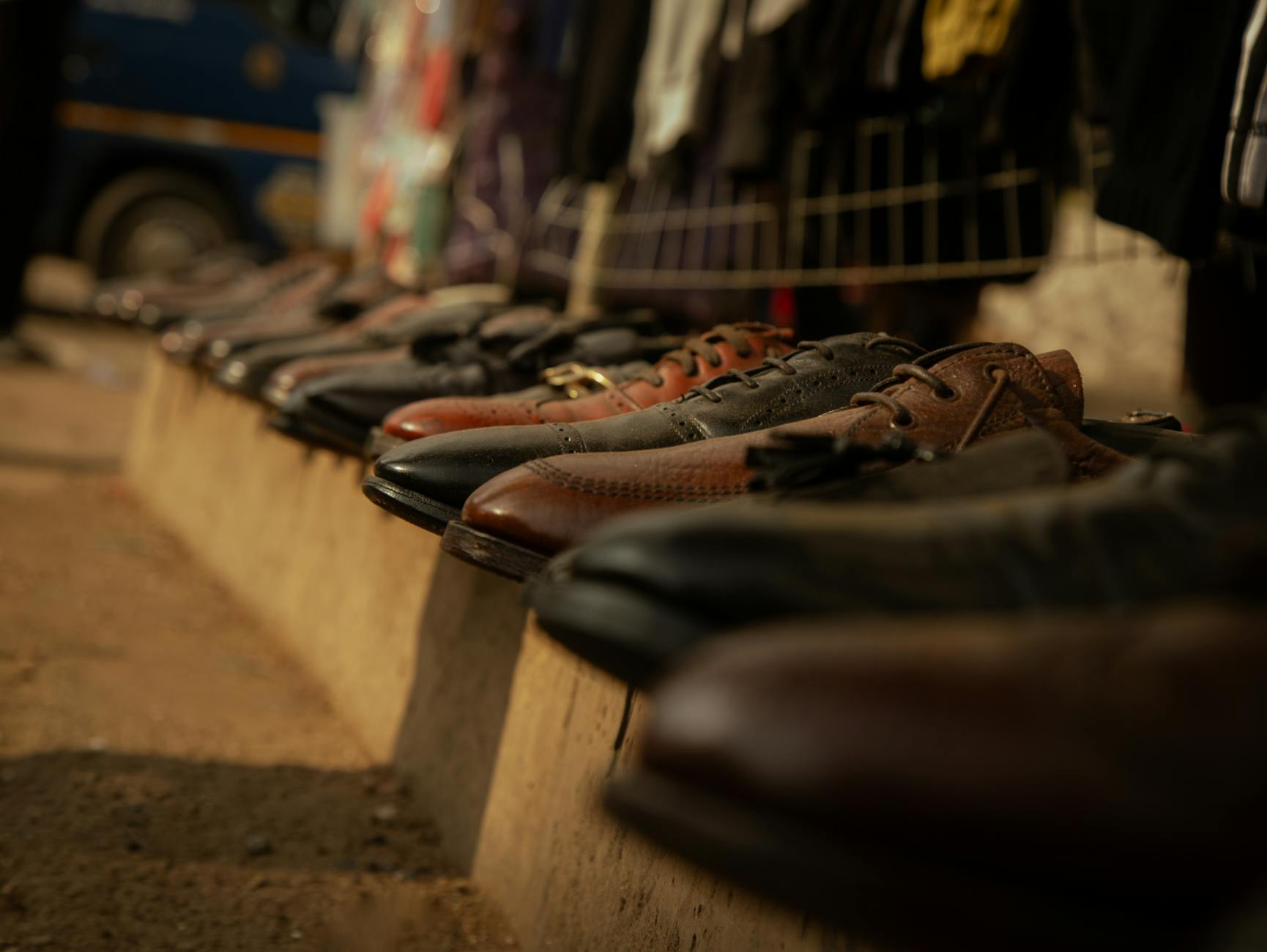
What counts as “dressy” depends on your style, but the category usually includes leather oxfords or derbies, sleek loafers, classic heels, or refined flats. The unifying traits are a clean silhouette, quality materials, and a color that reads as formal. A few guidelines help here:
- Stick to classic colors — black and brown leather cover the vast majority of formal needs.
- Prioritize a timeless shape over a trend-driven one, since this pair gets worn occasionally and should last for years.
- Choose a comfortable version — a dress shoe you dread putting on is a dress shoe you’ll avoid.
Because formal shoes are worn less frequently, a single well-made pair can serve faithfully for a long time, making it one of the better long-term values in any collection.
Weather-Ready Footwear
Rain, snow, and mud have a way of ruining shoes that were never built for them. A weather-appropriate pair protects both your feet and your nicer footwear by giving the elements somewhere else to land.
Depending on your climate, this role might be filled by waterproof boots, rubber-soled ankle boots, or insulated styles for colder regions. The features to look for are consistent regardless of the exact design:
- Water resistance — treated leather, rubber, or a sealed membrane keeps moisture out.
- A grippy outsole — traction matters on wet pavement and slick surfaces.
- Sturdy construction — this is the pair that takes a beating, so durability pays off.
For many people, a single versatile boot handles both function and style, transitioning easily from a wet commute to a casual outfit. In harsher climates, you may want a dedicated heavy-duty option alongside it.
The Easy Slip-On
Some days call for footwear you can step into without a second thought. The slip-on category covers exactly those moments — quick errands, warm afternoons, and the dozens of small trips that don’t warrant lacing up.
This role is flexible by nature. Depending on the season and your taste, it might take the form of:
- Loafers or mules for a put-together look with zero effort.
- Sandals or slides for warm weather and short outings.
- Canvas slip-ons for an easygoing, casual feel.
The value of a slip-on isn’t formality or durability — it’s pure convenience. Having one comfortable, grab-and-go pair near the door reduces friction in your daily routine more than you’d expect, and keeps you from wearing out your more demanding shoes on trivial trips.
This category also tends to be where personality slips in most easily. Because slip-ons aren’t doing heavy structural work, you have room to choose a color, texture, or detail that feels a little more expressive without compromising on practicality. A pair that’s both easy to wear and pleasant to look at is one you’ll genuinely reach for, which is the whole point.
Building the Collection Over Time
You don’t need to acquire every category at once. In fact, building a shoe collection gradually tends to produce better results, because each addition is a deliberate response to a real gap rather than an impulse. A sensible order of priority looks something like this:
- Start with the everyday pair — it gets the most wear and delivers the most immediate value.
- Add the formal option next if your life regularly includes dressier occasions.
- Cover the weather before the season that demands it arrives, not during it.
- Fill in the slip-on last, as a convenience layer once the essentials are in place.
Caring for what you own stretches this set even further. Rotating between pairs gives each one time to air out and recover its shape, while basic upkeep — cleaning, conditioning leather, and replacing worn laces or insoles — keeps shoes serviceable for years. A small, well-maintained collection consistently outperforms a large, neglected one. When every role is covered and every pair is cared for, getting out the door becomes one less thing to think about.
Frequently Asked Questions
How many pairs of shoes do I actually need?
There’s no universal number, but most people find that four to five well-chosen pairs cover the vast majority of their week. Focus on filling distinct roles rather than hitting a target count.
Should I buy expensive shoes or affordable ones?
It depends on the role. Pairs you wear daily or that take weather abuse benefit from sturdier construction, while occasional or trend-driven styles can be more budget-friendly. Comfort and fit matter more than price in every case.
How do I make my shoes last longer?
Rotate between pairs so each can rest, keep leather clean and conditioned, let damp shoes dry fully before wearing them again, and replace worn insoles or laces. Small maintenance habits add up to years of extra wear.
What if my lifestyle is mostly casual?
Then weight your collection accordingly. Lean into versatile sneakers and slip-ons, and keep just one formal pair on standby for the occasional event that calls for it. Your shoe set should mirror how you actually spend your time.
The Takeaway
A genuinely useful shoe collection isn’t about owning the most pairs — it’s about covering the moments that matter. When you have a reliable everyday sneaker, a polished option for formal occasions, something ready for bad weather, and an easy slip-on for the rest, nearly any day is accounted for. Build the set gradually, choose each pair for the role it plays, and care for what you own. Do that, and a modest rack will quietly serve you better than an overflowing one ever could.