

Few features frame the face the way eyebrows do. They guide expression, balance the eyes, and quietly shape how rested or alert you look — yet most people give them almost no thought until something feels off. The trouble is that brows are surprisingly easy to overdo. A few stray tweezes too many, an aggressive trim, or a shape that fights your natural bone structure, and suddenly the whole face looks slightly different in a way that’s hard to name.
The good news is that shaping your eyebrows at home is far more about restraint and observation than skill or expensive tools. Once you understand the natural map your face already provides, the process becomes calm and repeatable. This guide walks through the fundamentals — how to find your ideal shape, which tools actually matter, the safest techniques for removing hair, and how to keep things looking tidy between sessions without ever crossing into over-plucked territory.
Understand Your Natural Brow Shape First
Before removing a single hair, the most important step is to look — really look — at the brows you already have. Many shaping mistakes happen because people chase a trend or a photo instead of working with their own bone structure. Your brow bone, the spacing of your eyes, and the natural arch already present give you most of the blueprint you need.
A helpful idea here is the concept of three landmarks that anchor a flattering brow: the start, the arch, and the tail. Most brows look balanced when the start sits roughly above the inner corner of the eye, the arch peaks around two-thirds of the way out, and the tail ends at an angle pointing toward the outer corner. These are guidelines, not laws — but they keep you from drifting into a shape your face doesn’t support.
Map the Three Key Points
You can find those landmarks with nothing more than a slim, straight object like a pencil or the handle of a brush. Holding it against your face as a guide takes the guesswork out of where to begin and end. Try this simple mapping method in a mirror:
- The start: Hold the pencil vertically against the side of your nose. Where it crosses the brow is roughly where the head of your brow should begin.
- The arch: Angle the pencil from the side of your nose through the center of your pupil while looking straight ahead. The point where it meets the brow is your natural arch peak.
- The tail: Angle the pencil from the side of your nose past the outer corner of your eye. Where it crosses marks where the brow should taper off.
Mark these three points lightly with a brow pencil before you remove anything. Having a visible map prevents the slow, accidental over-trimming that happens when you tweeze “just one more” without a reference. If your natural brows already fall close to these points, your job is mostly maintenance rather than reshaping.
Gather the Right Tools
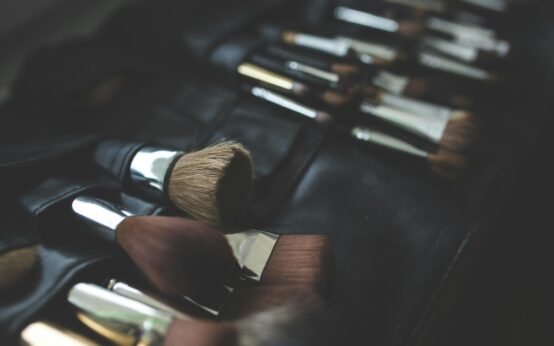
One of the quiet advantages of shaping brows at home is how little equipment you actually need. A small, well-chosen kit beats a drawer full of gadgets. Focus on a few reliable basics:
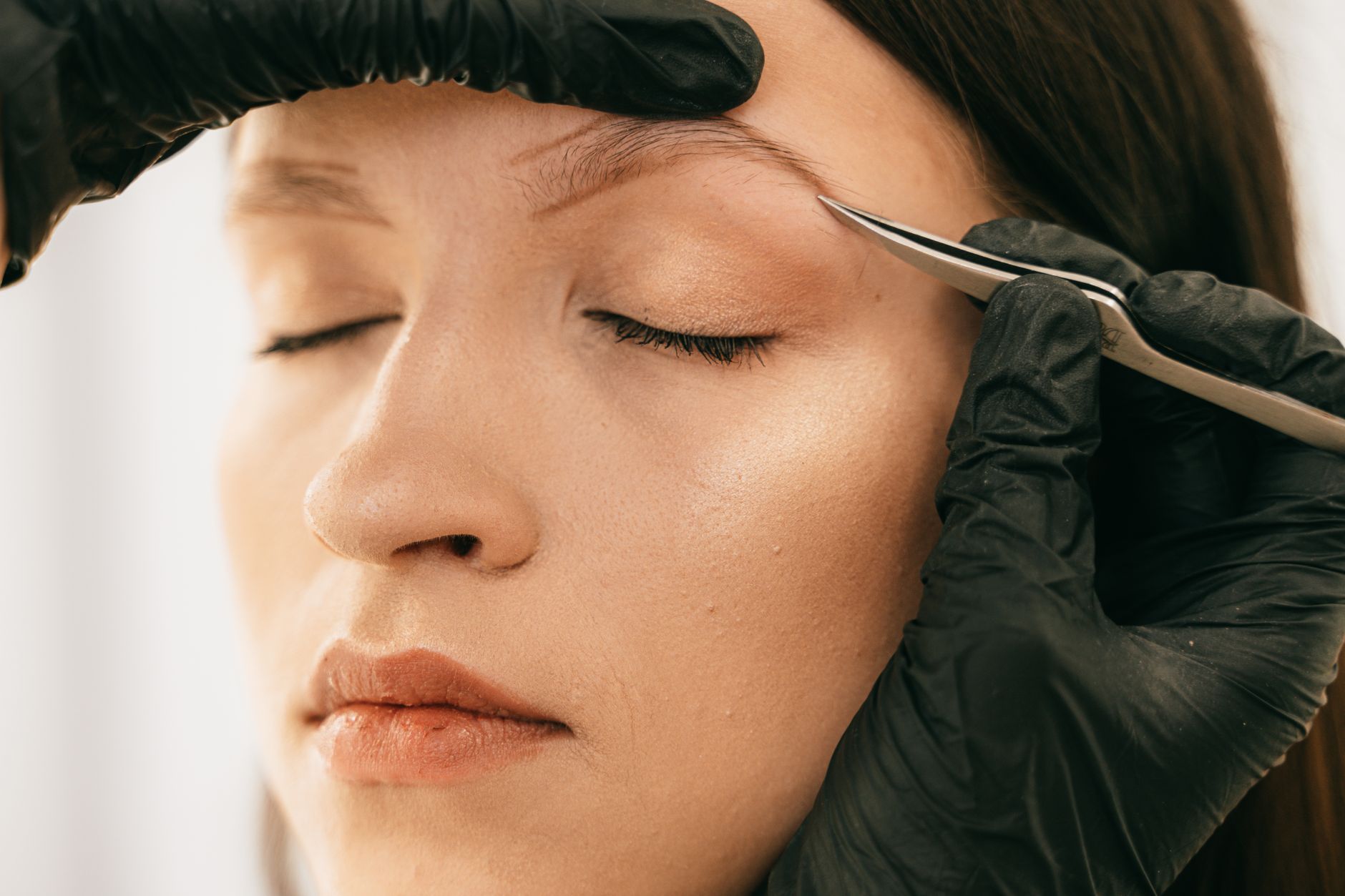
- A quality pair of tweezers: Slanted tips grab individual hairs cleanly; pointed tips help with fine, stubborn strays. Sharp, well-aligned tweezers reduce breakage and repeated pulling.
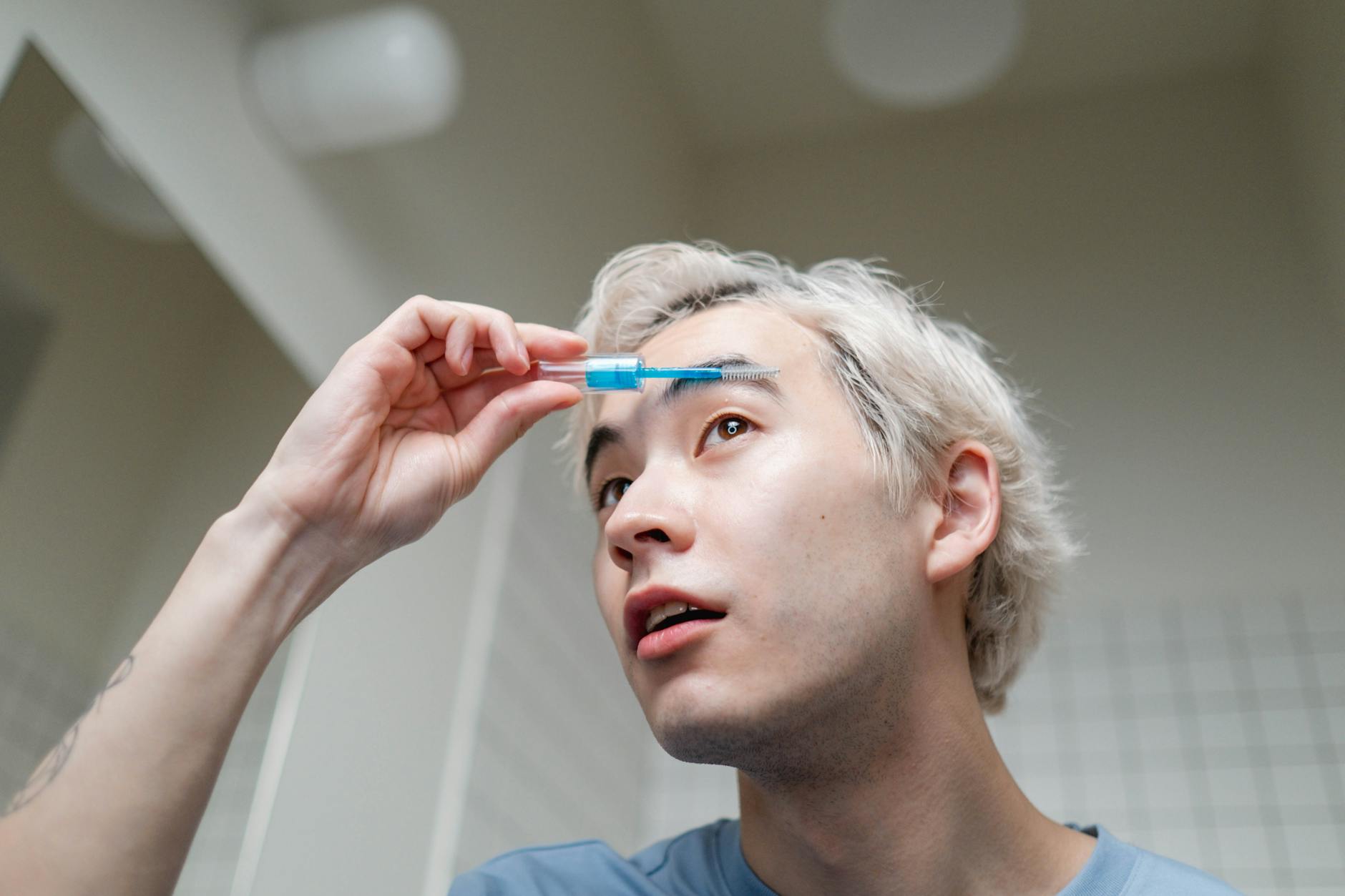
- A spoolie brush: This little mascara-wand-style tool brushes hairs into place so you can see the true shape and spot which hairs are genuinely out of line.
- Small grooming scissors: Used sparingly, they trim only the longest hairs that stick out above the natural line.
- A magnifying mirror and good light: Natural daylight is ideal. Strong, even lighting helps you avoid the over-correction that dim mirrors encourage.
Notice what’s missing from this list: anything harsh or permanent. Slow, reversible methods are far friendlier for a home routine, because hair always grows back and mistakes made gently are easy to forgive.
Choose a Hair-Removal Method
There are several ways to remove unwanted brow hairs at home, and the best choice depends on your skin sensitivity, how much hair you’re working with, and how much control you want. Each has trade-offs worth understanding before you commit.
- Tweezing offers the most control and is the gentlest on the overall shape. Because you remove one hair at a time, it’s nearly impossible to take off a large patch by accident — ideal for beginners and for upkeep.
- Trimming doesn’t remove hairs at the root; it simply shortens overly long ones. Brush the hairs upward, then trim only the tips that extend well past your natural line.
- Threading and waxing remove hair faster and in bulk, but they leave less room for error and can be tricky to control alone. Many people prefer to leave these to a professional and reserve home sessions for tweezing and trimming.
Whatever method you choose, always work in the direction of hair growth and pull from beneath the brow line first. Removing hair from the top edge is where most “surprised” or unnatural-looking brows come from, so approach the upper line with extra caution.
Shape Slowly and Step Back Often
If there’s one principle that separates a clean home brow from a regretted one, it’s pacing. Brows are symmetrical features on a moving, expressive face, and it’s remarkably easy to lose perspective when you’re zoomed in on a magnifying mirror. A patient, step-back rhythm protects you from yourself.
Start by brushing the hairs up and out with your spoolie so you can see the natural outline. Remove only the obvious strays first — the lone hairs sitting clearly outside your mapped shape or in the space between your brows. After every few hairs, set the tweezers down, look at both brows together in normal lighting, and compare them. Work back and forth between the two rather than “finishing” one side completely; this keeps them balanced as you go.
Remember that perfectly identical brows are a myth. They’re often described as sisters, not twins. Small natural differences read as human and flattering, while forcing exact symmetry usually means removing too much. When in doubt, stop. A slightly fuller brow can be tidied tomorrow, but an over-plucked one takes weeks to grow back.
Maintain and Fill Between Sessions
Shaping isn’t a one-time event — it’s a light, ongoing routine. Once you’ve established a shape you like, upkeep becomes quick because you’re only removing a handful of new strays each week. A gentle maintenance habit keeps your brows looking intentional without constant reshaping:
- Tweeze sparingly: A quick weekly pass to catch new strays is usually enough. Resist the urge to “improve” the shape every time you sit down.
- Brush daily: Running a spoolie through your brows in the morning trains the hairs and instantly makes them look neater.
- Fill thoughtfully: If you have sparse spots, light, hair-like strokes with a pencil or powder can mimic real hairs and even out the shape without looking drawn-on.
- Be patient with growth: If you’ve over-tweezed in the past, leave the area alone for several weeks so you have more hair to work with when you reshape.
Over time, this steady rhythm means you rarely face a dramatic reshaping session. Your brows simply stay close to their ideal shape, and the weekly touch-up takes just a couple of minutes.
Frequently Asked Questions
How often should I shape my eyebrows at home?
For most people, a light maintenance session once a week is plenty. A fuller reshaping is rarely needed more than every few weeks, since removing hair too frequently makes over-plucking far more likely.
Should I remove hair from the top of my brows?
Be very cautious here. The top line defines your arch, and taking too much from it is the most common cause of unnatural-looking brows. Focus removal on the strays beneath the brow and between them.
What if I accidentally remove too much?
Stop immediately and leave the area alone. Hair grows back, usually within a few weeks. In the meantime, you can use a brow pencil or powder with light strokes to fill the gap until the hair returns.
Is tweezing or trimming better for beginners?
Both have a place. Tweezing controls the shape by removing strays at the root, while trimming only shortens long hairs without changing the outline. Beginners often do well combining gentle tweezing with occasional trimming.
The Takeaway
Shaping your eyebrows at home comes down to working with your face rather than against it. Map your three key points, gather a small set of reliable tools, choose a gentle removal method, and — above all — go slowly enough to keep perspective. The biggest risk isn’t a lack of technique; it’s enthusiasm, the temptation to keep tweezing past the point of balance. Treat shaping as a patient, repeatable habit instead of a single dramatic makeover, and your brows will frame your face naturally, session after session, with very little fuss.