

You catch your reflection mid-afternoon and the face looking back seems a little dull, a little flat — slightly more worn out than you actually feel. The skin looks tired even on days when you’ve slept fine. This is one of the most common everyday skin complaints, and the frustrating part is that it rarely points to a single, obvious cause. Tired-looking skin is usually the sum of small things adding up: a touch of dehydration here, some dead-cell buildup there, a night of poor sleep, a week of low water intake.
The good news is that because the causes are small and ordinary, the fixes can be too. You don’t need an elaborate routine or a shelf of products to bring back some brightness and bounce. Most of what makes skin look refreshed comes down to a handful of simple, consistent habits. This guide walks through what “tired skin” actually is, the everyday factors that drain its glow, and the practical, low-effort ways to help it look more awake.
What “Tired-Looking” Skin Actually Means
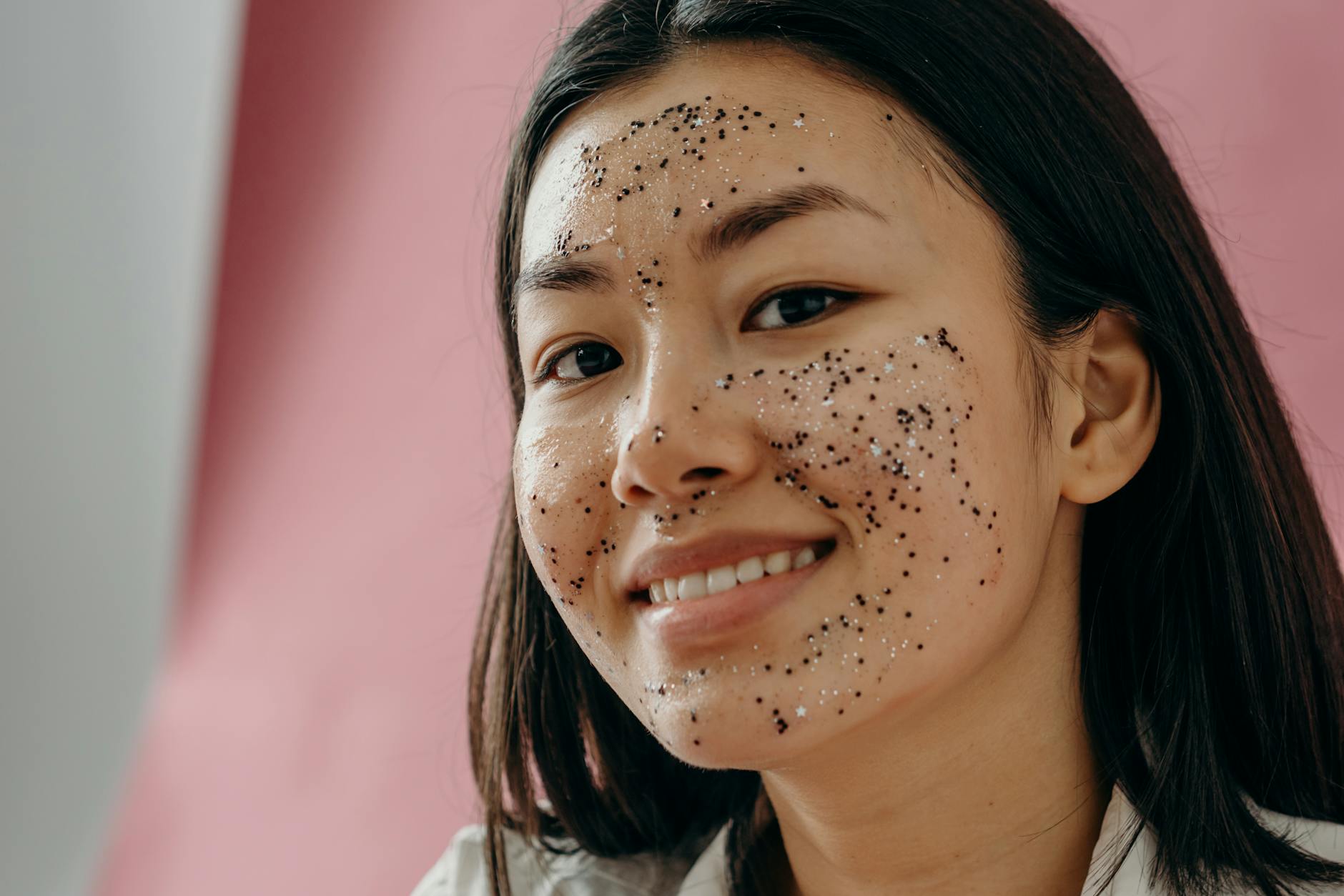
“Tired skin” isn’t a medical term, but most people mean a similar set of things when they use it: a complexion that looks dull rather than luminous, slightly uneven in tone, a bit puffy around the eyes, and lacking the soft plumpness that reads as healthy. Often there’s a faint roughness to the texture, so light bounces off unevenly instead of giving that smooth, lit-from-within look.
Several ordinary processes drive this. Skin naturally sheds dead cells, and when that shedding slows down, a layer of dull buildup can sit on the surface and scatter light unevenly. Mild dehydration flattens the cells so they reflect less light and look less plump. Poor sleep and stress affect circulation, which is why a rough night can leave you looking pale or shadowed. Even the dry air of heated or air-conditioned rooms can pull moisture from the surface over the course of a day. Understanding that these are everyday, reversible factors — not permanent damage — is the first step, because it means the fixes are well within reach and usually don’t require anything drastic.
It also helps to let go of the idea that radiant skin means flawless skin. The goal here isn’t perfection or erasing every line; it’s helping your complexion look healthy, even-toned, and awake. Once you reframe the target that way, the simple habits in this guide start to feel less like a chore and more like basic upkeep — the skin equivalent of getting enough sleep or stretching after sitting too long.
Hydrate From the Inside and the Outside
Hydration is the closest thing to a quick win for tired skin, and it works on two fronts. Internally, even mild dehydration can make the complexion look flat and the under-eye area more shadowed. Externally, the right products help the skin hold onto the moisture it already has.
- Drink water steadily through the day rather than gulping it all at once — consistent intake supports the whole body, skin included.
- Apply moisturizer to slightly damp skin. Patting a cream on right after cleansing traps surface water and helps it absorb better.
- Look for humectant ingredients like glycerin or hyaluronic acid, which draw moisture toward the skin’s surface and create a plumper, smoother look.
- Don’t skip moisturizer on oily skin. Oil and hydration are different things; skipping moisture can actually leave skin looking duller.
You’ll often notice a difference within a day or two of consistent hydration, simply because well-hydrated cells reflect light more evenly and sit a little plumper. It’s the lowest-effort change with one of the most visible payoffs. Foods with high water content, like cucumber, watermelon, and oranges, quietly add to your overall intake too, so a hydrating habit doesn’t have to live in your water bottle alone.
Gently Encourage Cell Turnover
That layer of dead surface cells is a major reason skin looks dull, so helping it shed is one of the most effective refreshers. The key word, though, is gently. Over-scrubbing irritates the skin and can leave it looking redder and more tired, not less.
- Choose chemical over harsh physical exfoliants. Mild acids dissolve the bonds between dead cells more evenly than gritty scrubs, which can scratch.
- Keep it to once or twice a week. More is rarely better; the goal is to nudge turnover, not strip the skin.
- Notice how your skin responds. A soft, smooth feel afterward is good; stinging or persistent redness means you’ve overdone it.
When the dull top layer is cleared at a sensible pace, the fresher cells underneath catch the light better, and skin instantly looks brighter and more even. This single habit, done in moderation, often does more for radiance than any expensive product.
Wake Up Circulation
A lot of what we read as “glow” is actually healthy blood flow bringing color and oxygen to the surface of the skin. When circulation is sluggish — after sitting still all day, or following a poor night — the complexion can look pale and lifeless. The fix is wonderfully simple: get the blood moving.
- Move your body. Even a brisk ten-minute walk boosts circulation and tends to leave the face looking warmer and more alive.
- Try a gentle facial massage. A minute of light upward strokes while applying moisturizer encourages flow and can ease puffiness.
- Use cool water or a cold compress in the morning. A quick splash of cool water can temporarily tighten the look of skin and reduce morning puffiness.
These circulation boosters are especially useful before an event when you want a quick lift. They don’t change the skin long-term on their own, but combined with hydration and rest, they help that healthy flush return reliably. The added bonus is that the same habits that move blood to your skin — walking, stretching, a few deep breaths — tend to lift your energy and mood as well, so you end up looking refreshed partly because you genuinely feel a bit more refreshed.
Protect Skin From Daily Wear
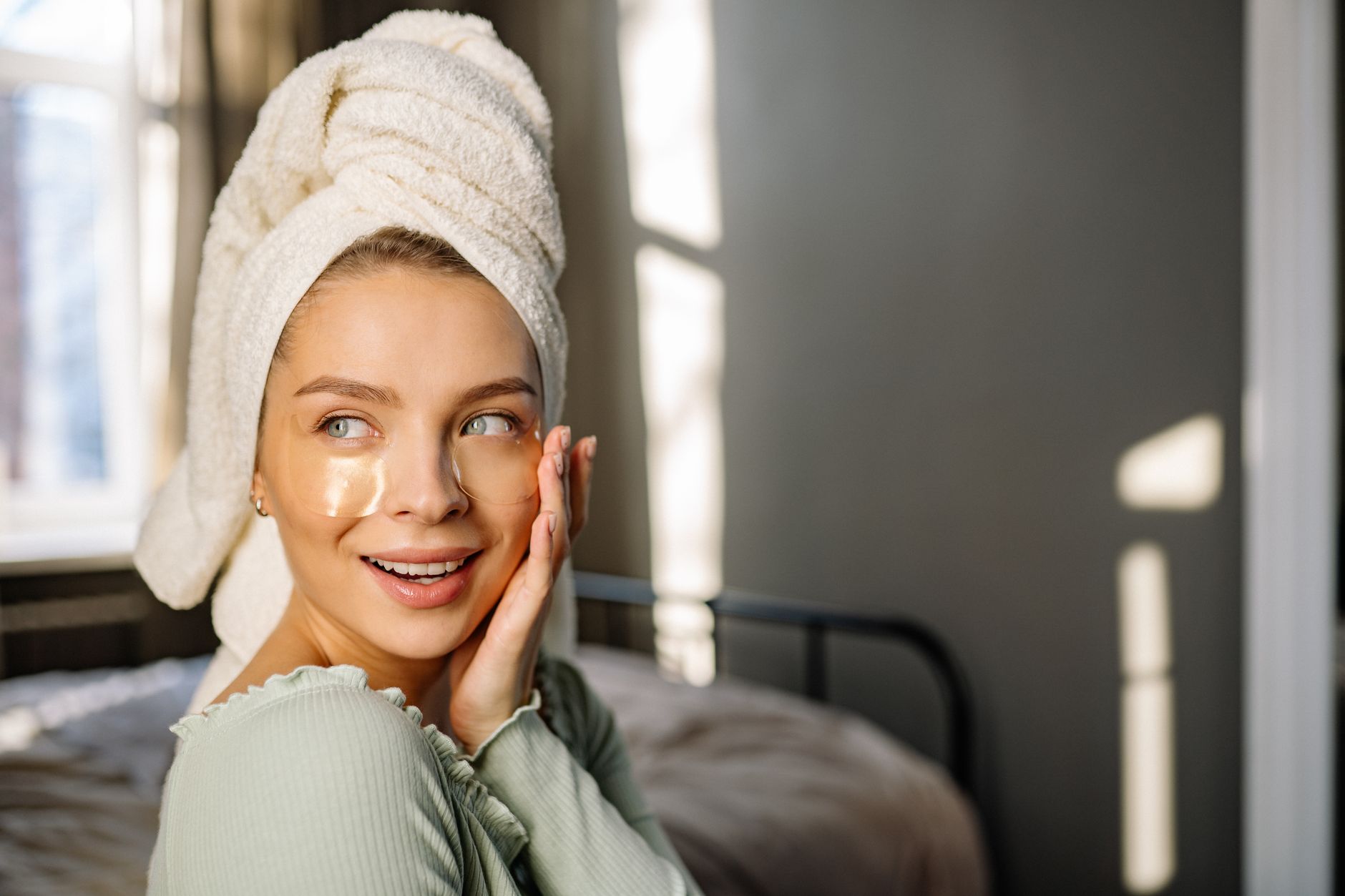
Some habits don’t just fail to help tired skin — they actively keep it looking worn. Quietly removing these everyday stressors is often as powerful as adding new steps, and it costs nothing.
- Wear sun protection daily. Cumulative sun exposure is one of the biggest drivers of dullness and uneven tone over time, so daily SPF is a long-term brightness investment.
- Always remove makeup before bed. Sleeping in makeup traps debris against the skin and interferes with its overnight recovery.
- Avoid very hot water and harsh cleansers. Both strip the skin’s natural oils, leaving it tight, flaky, and prone to looking tired.
- Be mindful of smoke and excess alcohol. Both reduce circulation and hydration, and their effects show up on the face fairly quickly.
None of these require buying anything — they’re about subtraction rather than addition. Removing the things that drain your skin lets the positive habits actually take hold and show.
Don’t Underestimate Sleep and Stress
It’s no accident that we call it “beauty sleep.” While you rest, skin does much of its repair and renewal work, and circulation evens out, which is why a good night often shows up as a fresher face in the morning. Skimp on sleep and you tend to see the opposite: pallor, shadows, and a generally drained look.
Stress works through a similar channel. Ongoing stress can disrupt sleep, drive up hormones that affect the skin, and lead to habits — skipped water, poor food choices — that compound dullness. You don’t need a perfect routine, but protecting a consistent sleep schedule and finding small ways to decompress pay visible dividends. Of all the items on this list, adequate rest is the one most people underestimate, and often the one that makes the biggest difference.
Frequently Asked Questions
How quickly can I expect tired skin to look better?
Hydration and a good night’s sleep can show results within a day or two. Changes from gentle exfoliation and consistent sun protection build up over a few weeks of steady habits.
Do I need a lot of products to refresh my skin?
No. A gentle cleanser, a good moisturizer, daily sun protection, and a mild exfoliant used sparingly cover most of the basics. Habits like sleep, water, and movement do a lot of the work for free.
Can exfoliating too much make skin look worse?
Yes. Over-exfoliating strips and irritates the skin, which can leave it red, sensitive, and even duller. Once or twice a week with a gentle product is usually plenty.
Why does my skin look tired even when I’ve slept well?
Sleep is only one factor. Dehydration, dead-cell buildup, low circulation, and sun exposure all contribute, so it’s worth looking at the whole picture rather than just rest.
The Takeaway
Refreshing tired-looking skin isn’t about chasing a miracle product — it’s about consistency with a few unglamorous basics. Keep skin hydrated inside and out, encourage gentle cell turnover, get your circulation moving, protect against everyday wear, and treat sleep and stress as real skin factors rather than afterthoughts. None of these steps is complicated or expensive, and that’s exactly the point. Stack a handful of small, kind habits day after day, and the dull, worn-out look quietly gives way to skin that looks as rested as you’d like to feel.