
Walk down the hair aisle or scroll through any beauty shop online and you’ll hit the same wall: dozens of dryers, irons, brushes, and gadgets, all promising salon results at home. Some cost as much as a month’s rent, others are pocket change, and almost all of them claim to be the one tool you can’t live without. For most people, the result isn’t a glamorous styling routine — it’s a drawer full of half-used devices and a nagging sense that they overspent on the wrong things.
The truth is that very few tools do the heavy lifting, and the right few depend almost entirely on your hair type and the styles you actually wear. This guide breaks down which hair styling tools genuinely earn their place, which ones are nice-to-haves, and which are easy to skip. The goal isn’t to talk you into a bigger collection — it’s to help you spend on the pieces that will actually get used.
Start With Your Hair, Not the Tool
Before any feature comparison, the smartest first step is to be honest about the hair on your head. The “best” tool for fine, straight hair is often useless for thick curls, and vice versa. A device that gets rave reviews online can sit untouched simply because it was never designed for your texture.
Ask yourself two quick questions: what is my hair like in its natural state, and what do I usually want it to look like? Someone with naturally wavy hair who mostly wears it air-dried needs a very different kit than someone who blow-dries straight every morning. When you anchor your decisions to your real routine instead of a trending product, you stop buying tools for a version of yourself that doesn’t exist.
It also helps to factor in how much heat your hair can comfortably take. Fragile, color-treated, or chemically processed hair tends to react badly to high temperatures, which pushes you toward gentler tools and lower settings regardless of what’s popular. Hair that’s coarse and resilient, by contrast, may need more power to style at all. Knowing where you fall on that spectrum quietly rules out half the products on the shelf before you’ve spent a cent.
The Blow Dryer: Where Quality Pays Off
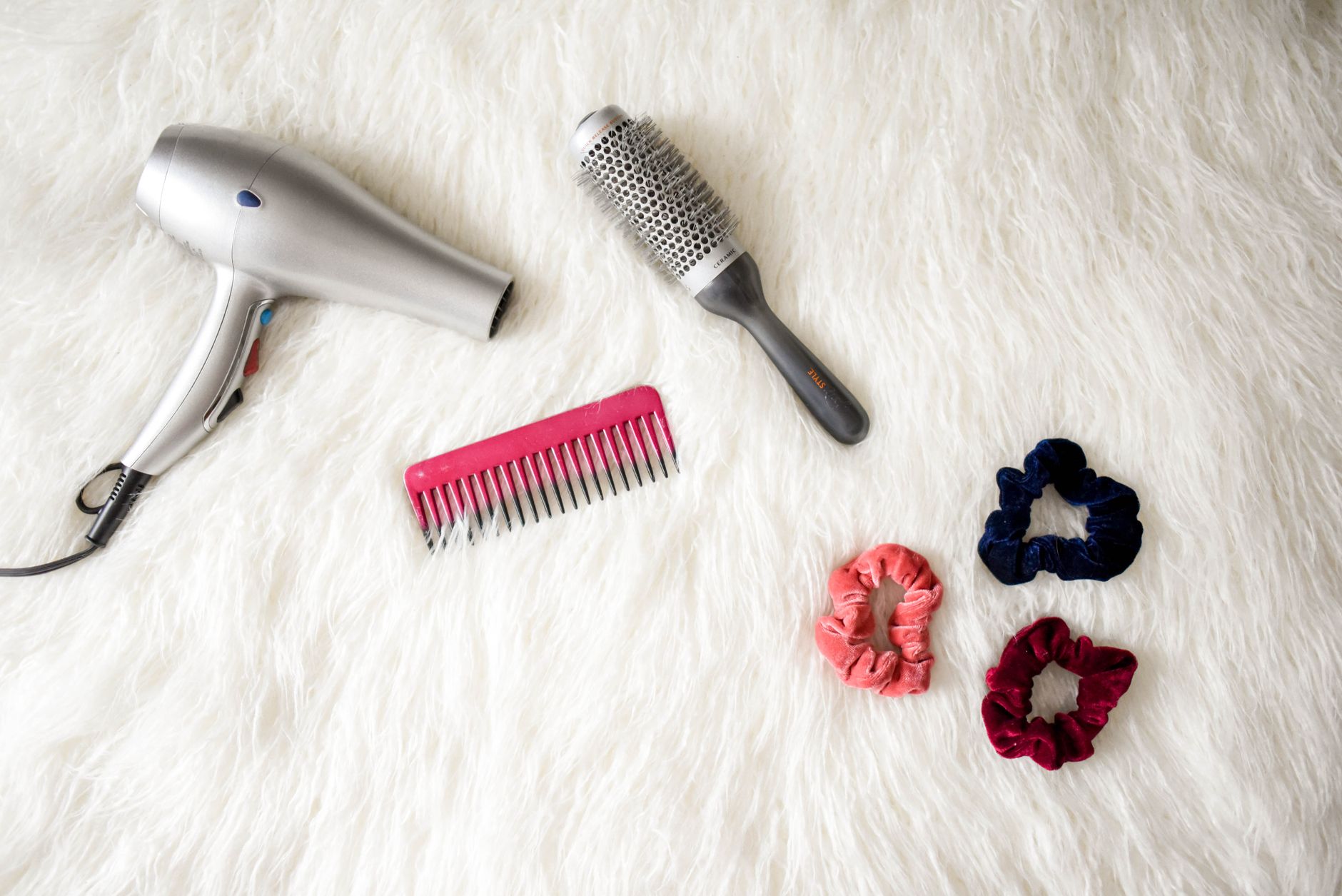
If there’s one tool worth investing a little more in, it’s the dryer — because you likely use it more than anything else, and a better one genuinely saves time and reduces heat exposure. A weak, slow dryer means longer drying sessions, which ironically can do more damage to your hair than a powerful one used briefly.
When comparing dryers, the specs that actually matter are simpler than the marketing suggests:
- Motor strength (airflow): Strong airflow dries hair faster at a lower temperature, which is gentler over time.
- Heat settings: Multiple heat and speed options let you match the tool to your hair instead of blasting everything on high.
- A cool-shot button: A burst of cool air sets your style and locks it in once you’re done.
- Weight and balance: You’ll be holding this with your arm up for several minutes, so a lighter, well-balanced body matters more than people expect.
You don’t need the most expensive dryer on the shelf. A solid mid-range model with strong airflow and real temperature control will outperform a cheap one and last for years.
Flat Irons and Curling Tools: Choose One Job
Heat styling tools are where overspending happens most, because it’s tempting to buy one of everything. In reality, most people only need the tool that matches the look they reach for. A flat iron makes sense if you straighten or want sleek finishes; a curling iron or wand suits those who want waves and curls.
A few things separate a worthwhile heat tool from a frustrating one:
- Adjustable temperature: Fine hair needs far less heat than coarse hair. A fixed-temperature tool that only runs hot is a recipe for damage.
- Even, consistent plates or barrels: Cheap tools often have hot spots, forcing repeated passes that fry your strands.
- The right size: A narrow barrel makes tight curls; a wide one makes loose waves. Match the barrel to the style you actually want.
One quiet money-saver: a good flat iron can often create curls and waves too, with a simple twist of the wrist. If your styles are flexible, a single versatile iron can replace two separate tools.
Brushes and Combs: The Underrated Essentials
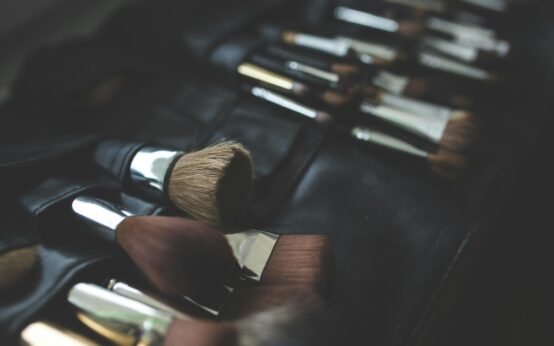
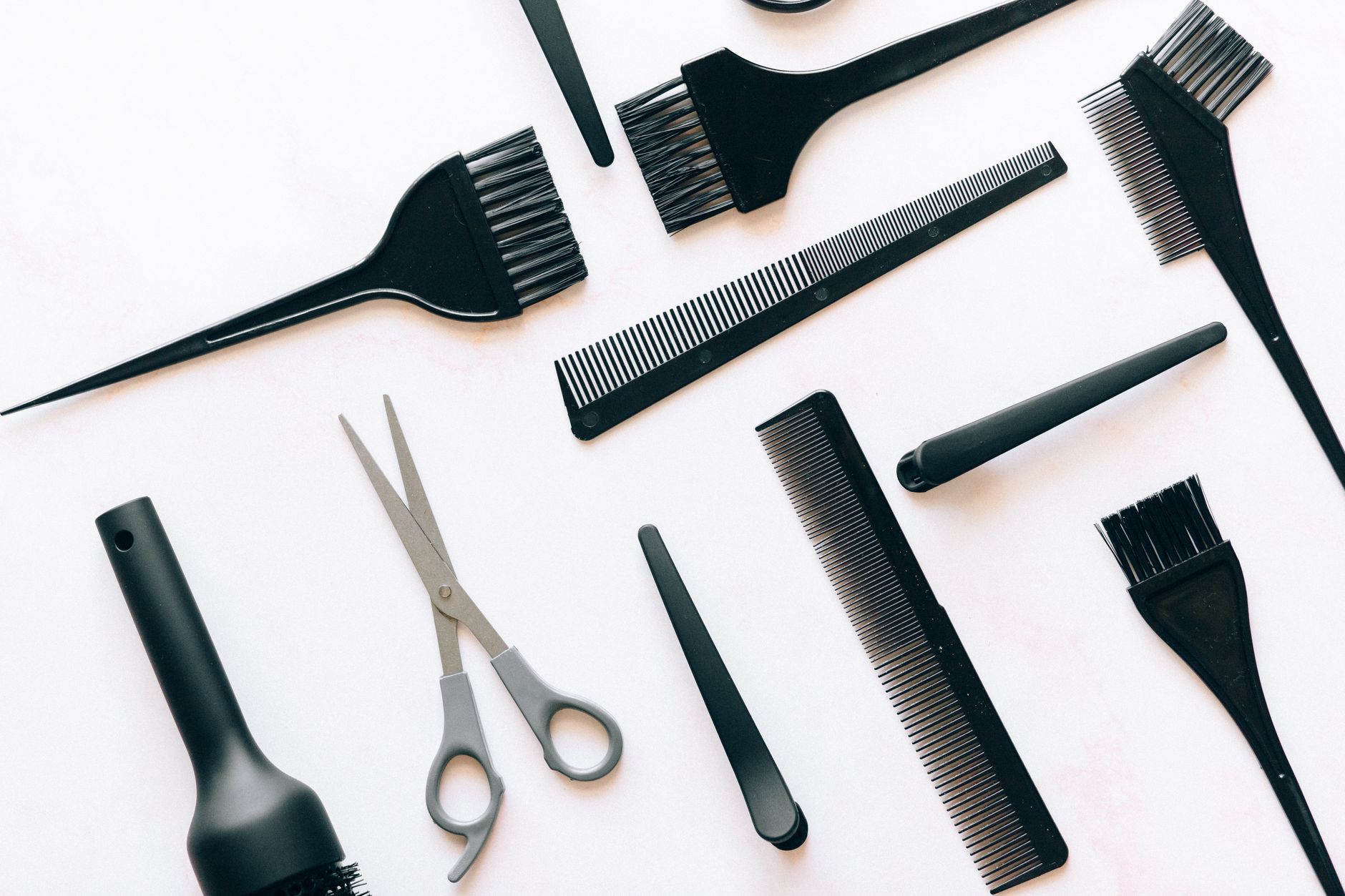
It’s easy to pour money into heated gadgets and forget that brushes do an enormous amount of styling work — often with no electricity at all. The right brush can mean the difference between a smooth blowout and a frustrating tangle, yet brushes are usually the cheapest part of any kit.
A practical, no-frills brush lineup covers nearly everyone:
- A round brush for adding volume and shaping ends while you blow-dry.
- A wide-tooth comb for detangling gently, especially on wet or curly hair.
- A paddle or cushion brush for everyday smoothing on dry hair.
The material matters more than the price tag. Brushes that vent air can speed up drying, while gentler bristles reduce breakage and frizz. Spending wisely here often does more for your results than another heated device ever could.
Brushes are also among the easiest tools to over-collect, since they’re cheap and there’s one marketed for every imaginable scenario. Resist the urge to buy a separate brush for every step. Two or three well-chosen pieces will handle detangling, drying, and daily smoothing for the vast majority of people, and replacing a worn brush every so often costs far less than chasing the latest version each season.
The Gadgets You Can Usually Skip
Plenty of tools exist mostly to be sold, not used. They’re not always bad, but they tend to gather dust once the novelty fades — and recognizing them protects both your budget and your drawer space.
- Single-purpose novelty stylers: Devices that only do one very specific look you’ll rarely wear rarely justify their cost or storage.
- Overlapping duplicates: If a tool you own already covers a style, a second similar gadget is usually redundant.
- Anything requiring constant replacements: Tools that depend on disposable parts can quietly cost more over time than they seem to upfront.
None of this means trendy tools are worthless. Some genuinely simplify a tricky routine. The test is honest and simple: will you reach for it at least once a week? If the honest answer is no, the money is better spent elsewhere — or saved entirely.
Caring for Your Tools So They Last
The cheapest way to avoid rebuying tools is to take care of the ones you have. Heat tools and dryers fail far more often from neglect than from age. A little maintenance stretches their life by years and keeps them working at full performance.
A few habits go a long way:
- Clean the dryer’s air intake regularly — lint buildup is the most common reason dryers overheat and die early.
- Wipe down plates and barrels once they cool, so product residue doesn’t bake on and create hot spots.
- Store cords loosely: Wrapping a cord tightly around a tool strains the wires inside and shortens its life.
- Use a heat-protectant on your hair, which also keeps buildup off the tool itself.
Treating your tools as long-term purchases rather than disposables is what turns a smart buy into a genuine saving. The best tool is the one that still works perfectly three years from now.
Frequently Asked Questions
Do I need both a flat iron and a curling iron?
Usually not. Many flat irons can create curls and waves as well as straighten, so a single versatile model often covers both jobs. Buy two separate tools only if you switch between very different looks regularly.
Is an expensive blow dryer really worth it?
A mid-range dryer with strong airflow and adjustable heat is worth it for most people, because faster drying at lower temperatures is gentler on hair. You rarely need the very top-priced model to get those benefits.
How much does hair type affect which tools I should buy?
Enormously. Fine hair needs lower heat and lightweight tools, while thick or coarse hair benefits from stronger airflow and higher heat settings. Matching the tool to your texture matters more than any brand or feature.
Can good brushes really make a difference?
Yes. A well-chosen round or vented brush can dramatically improve a blow-dry, and a wide-tooth comb prevents breakage when detangling. Brushes are inexpensive yet do some of the most important styling work.
The Takeaway
Building a hair styling kit isn’t about owning the most tools — it’s about owning the right few. Start with your actual hair type and routine, invest a little more in the dryer you’ll use daily, pick heat tools that match the looks you genuinely wear, and don’t overlook the humble brushes that quietly do half the work. Skip the novelty gadgets that promise everything and get used once, and care for what you buy so it lasts. Do that, and a small, well-chosen collection will outperform a cluttered drawer of impulse buys — while costing you far less in the long run.