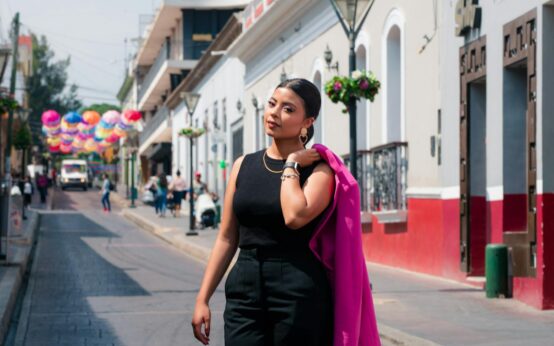


There’s a strange in-between stretch on the calendar that nobody dresses well for. Mornings are sharp and cold, afternoons turn unexpectedly warm, and by evening you’re peeling off layers you were grateful for just hours earlier. You stand in front of a closet split between heavy knits and breezy summer pieces, and somehow none of it feels right for the day ahead. This is the seasonal transition, and it trips up even people who otherwise have their style figured out.
The good news is that dressing through these shifting weeks is a skill, not a guessing game. With a little planning around layers, fabrics, and a handful of flexible pieces, you can stay comfortable from a chilly sunrise to a mild afternoon without overhauling your wardrobe twice a year. This guide walks you through how to rotate your closet thoughtfully, build outfits that adapt on the fly, and store the rest so it’s ready when its season comes back around.
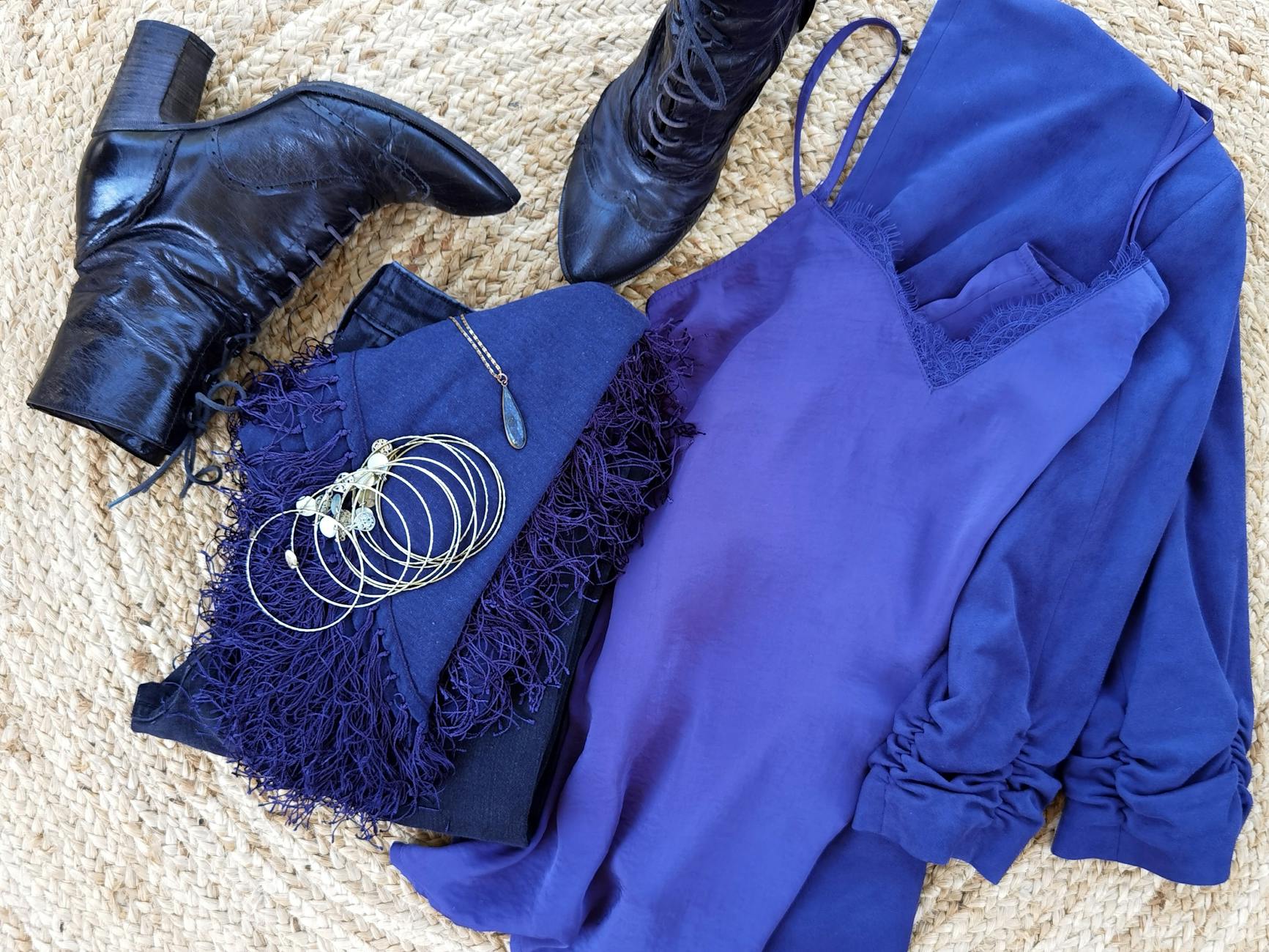
Why Transitional Dressing Feels So Hard
The core problem is temperature swing. During peak summer or deep winter, the weather is fairly predictable, so a single category of clothing carries the whole day. In spring and autumn, a single afternoon can move through a fifteen- or twenty-degree range, which means one outfit has to perform across very different conditions.
Most closets aren’t organized for that reality. They tend to be sorted into a “warm pile” and a “cold pile,” with very little overlap in between. When the weather refuses to commit, neither pile works on its own. The fix isn’t buying more clothes — it’s learning to bridge the two piles with smart layering and a few genuinely versatile items that ignore the calendar entirely.
Master the Art of Layering
Layering is the single most powerful tool for transitional weather because it lets you adjust your warmth throughout the day instead of committing to one temperature at 7 a.m. The trick is to think in three flexible levels rather than one thick garment:
- Base layer: a lightweight tee, long-sleeve, or thin top that sits comfortably against the skin.
- Middle layer: a cardigan, light sweater, or button-up that adds warmth and can be removed easily.
- Outer layer: a jacket or coat appropriate to the chilliest part of your day, ideally one you don’t mind carrying once it warms up.
The goal is for each layer to look intentional on its own, so that removing your jacket or unbuttoning a cardigan still leaves you with a complete outfit. When layers are chosen to coordinate, you essentially carry two or three looks in one — perfect for a day that starts cold and ends mild.
A few details make layering work better in practice. Keep the pieces closest to your body the lightest, then build outward in increasing weight, so each layer adds warmth without bulk. Pay attention to proportion too: a longer base under a shorter middle layer, or a fitted top under a looser cardigan, reads as deliberate rather than accidental. And always plan for the moment you take a layer off — if your jacket has to be carried for half the day, a thin one that folds into a bag beats a heavy coat you have to drape over your arm.
Choose Fabrics That Span Both Seasons
Fabric matters as much as silhouette during the in-between months, because the right material regulates temperature on its own. Some fabrics trap heat, some breathe, and a few do a respectable job of both — which makes them ideal for unpredictable days.
- Cotton breathes well and works in a wide range of temperatures, making it a transitional staple.
- Lightweight wool and merino insulate when it’s cool yet wick moisture when you warm up.
- Denim is a year-round anchor that pairs with nearly anything and suits both crisp and mild days.
- Linen blends handle a warm afternoon gracefully while still offering a bit of structure.
Heavy fleece, thick chunky knits, and very airy summer-only fabrics are the ones to set aside during transition weeks — they tend to commit too hard to one extreme. Reaching for mid-weight, breathable materials keeps you comfortable across a much wider band of the day. It also helps to think about how fabrics behave once you start moving: a material that feels perfect while you’re standing still at a cold bus stop can feel stifling on a brisk walk, so favoring breathable mid-weights protects you from that swing too.
Build a Transitional Color Palette
Seasons carry their own color associations — bright and pastel in summer, deep and earthy in winter — and the transition is the perfect moment to blend them. Rather than swapping your entire palette overnight, ease between them so your wardrobe still mixes and matches freely.
A practical approach is to lead with versatile neutrals that belong in any season, then layer in a few tones that nod to where the year is heading. Soft greys, camel, olive, navy, and warm white sit comfortably in both warm and cool months, which makes them the connective thread between your summer and winter pieces. When your base is season-neutral, you can introduce a brighter accent or a richer one depending on the day’s mood without anything looking out of place.

Identify Your Year-Round MVPs
Every wardrobe has a handful of pieces that quietly work no matter what the thermometer says, and transition season is when they earn their keep. Identifying yours — and leaning on them during the awkward weeks — makes getting dressed dramatically easier. Common all-season performers include:
- A well-fitting pair of jeans that pairs with sandals or boots equally well.
- A versatile button-up shirt that layers over a tee or under a sweater.
- A lightweight jacket or trench that handles wind and light rain without overheating you.
- A simple knit dress that works bare-legged or with tights and a jacket.
- Ankle boots and clean sneakers that carry across both warm and cool outfits.
These pieces are the backbone of transitional dressing precisely because they refuse to belong to a single season. The more of your day-to-day outfits you can build around them, the less the weather’s mood swings will throw you off. If you’re not sure which of your own clothes qualify, look back at what you actually wore during the last transition: the items you reached for instinctively when the forecast was uncertain are almost always your real MVPs, and they deserve a spot at the front of the closet.
Rotate and Store the Rest Smartly
You don’t need every garment you own accessible at all times — and trying to keep them all in rotation is exactly what makes a closet feel chaotic during transition. A light, intentional rotation keeps the right pieces in reach and protects the rest. A simple routine:
- Move the extremes to the back. Heavy parkas or strappy summer dresses can step aside while you focus on mid-weight pieces.
- Bring transitional staples forward. Put your layering pieces and year-round MVPs front and center where you’ll actually reach for them.
- Clean before you store. Wash or air out off-season clothes first, since stored stains and odors set in and attract pests.
- Store properly. Use breathable bins or garment bags, keep knits folded to avoid stretching, and add cedar or lavender to deter moths.
Doing this twice a year takes an afternoon and pays off every morning in between. When the next season arrives, your stored pieces come out fresh and ready instead of wrinkled, musty, or forgotten at the bottom of a drawer.
Frequently Asked Questions
When should I start transitioning my wardrobe?
Watch the weather rather than the date. Once daytime temperatures consistently shift by ten degrees or more from morning to afternoon, it’s time to bring your layering pieces forward and start easing the extremes to the back.
Do I need to buy special “transitional” clothes?
No. Most transitional dressing comes from layering pieces you already own and leaning on year-round staples. If anything is missing, a versatile mid-weight layer like a cardigan or light jacket gives you the most flexibility for the least money.
How do I dress when mornings are cold but afternoons are warm?
Build your outfit in removable layers and choose breathable fabrics underneath. Start the day with a jacket or cardigan you can take off, and make sure the base outfit still looks complete on its own once you shed the top layer.
What’s the best way to store off-season clothing?
Clean everything first, then use breathable containers rather than sealed plastic, which can trap moisture. Fold knits to keep their shape, hang structured items, and tuck in a natural moth deterrent like cedar to keep stored pieces fresh.
The Takeaway
Transitioning your wardrobe between seasons isn’t about owning two separate closets — it’s about building a flexible bridge between them. When you layer thoughtfully, choose fabrics that breathe and insulate, and lean on the versatile pieces that ignore the calendar, the unpredictable weeks become far less stressful. Bring your transitional staples forward, store the extremes with a little care, and let removable layers do the heavy lifting. Master that rhythm, and the awkward in-between season stops being something to dread and becomes one of the easiest, most creative times to get dressed.