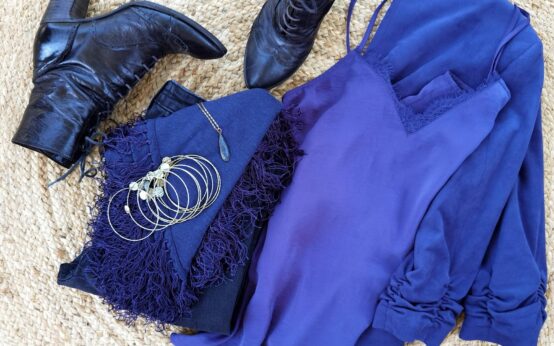


That favorite silk blouse, the lace top you saved for special occasions, the soft cashmere sweater that cost more than you’d like to admit — delicate fabrics have a way of becoming the most loved pieces in a closet and, at the same time, the most nerve-wracking to clean. One careless wash cycle can leave behind a shrunken, stretched, or pilled shadow of what used to be a beautiful garment. It’s no wonder so many people simply avoid wearing these items, or hand them off to a dry cleaner every single time.
The good news is that most delicate fabrics can be cleaned safely and well at home, once you understand what they’re made of and how they respond to water, heat, and friction. You don’t need a laundry room full of specialty equipment — just a little patience, a few gentle techniques, and the willingness to slow down. This guide walks through how to read your garments, treat them correctly, and store them so they keep their shape, color, and softness for years.
Know Your Fabrics Before You Wash
The single most important step happens before any water touches the garment: identifying what you’re actually dealing with. “Delicate” covers a wide range of materials, and each one has its own quirks. Knowing the difference is what separates a refreshed garment from a ruined one.
- Silk — luxuriously smooth but sensitive to heat, harsh detergents, and prolonged soaking. Water spots and sun fading are common risks.
- Wool and cashmere — natural fibers that felt and shrink when exposed to hot water and agitation. They need cool temperatures and a very gentle hand.
- Lace and chiffon — thin and easily snagged. The danger here is mechanical: pulling, twisting, and catching on zippers.
- Linen and rayon — prone to wrinkling and, in rayon’s case, weakening when wet, so they need careful handling while damp.
Always start by reading the care label sewn into the seam. Those tiny symbols tell you the maximum safe temperature, whether the item can be machine washed, and whether it should be ironed or laid flat. When a label says “dry clean only,” treat it as a genuine warning rather than a suggestion — though many items labeled “dry clean” (without “only”) can be hand washed with care.
It also helps to consider the construction of the garment, not just the fiber. A simple silk camisole behaves very differently from a beaded silk gown, and a basic wool sweater is far more forgiving than a tailored wool blazer with internal structure. When fragile fibers are combined with delicate trims, linings, or embellishments, lean toward the most cautious method available — the weakest element in a garment sets the rules for the whole piece.
Master the Hand-Wash Method
Hand washing is the gold standard for most delicate items because it gives you complete control over temperature and movement. It sounds fussy, but it takes only a few minutes once you’ve done it a couple of times. Here’s the basic rhythm:
- Fill a clean basin or sink with cool to lukewarm water — never hot.
- Add a small amount of gentle, pH-neutral detergent and swirl until it dissolves.
- Submerge the garment and gently press and squeeze the water through it. Do not rub, wring, or scrub.
- Let it soak for no more than a few minutes, then drain and refill with clean water to rinse.
- Press out excess water by hand, supporting the full weight of the wet fabric so it doesn’t stretch.
The cardinal rule of hand washing is to be slow and supportive. Wet fibers — especially wool and silk — are at their weakest, so any aggressive twisting can permanently distort the shape. Think of it as bathing the garment, not battling a stain.
When the Machine Is Safe
You don’t always have to wash by hand. Many modern machines have a genuine delicate or hand-wash cycle that spins slowly and uses cool water. The key is reducing friction and protecting the fabric from the drum and from other items.
- Use a mesh laundry bag. It shields fragile pieces from snagging and keeps small items from twisting around bulkier ones.
- Choose the lowest spin speed. High-speed spinning is what stretches and creases delicate fibers.
- Wash similar items together. Don’t mix a heavy pair of jeans with a chiffon scarf — the rough seams and weight will damage the lighter piece.
- Turn garments inside out. This protects surface details like embroidery, sequins, and printed designs.
Even on a gentle cycle, skip items with heavy beading, structured tailoring, or visible “dry clean only” labels. For everything else, a mesh bag plus a cold delicate cycle is a reasonable middle ground between hand washing and the dry cleaner.
Treating Stains Without Damage
A stain on a delicate fabric triggers panic, but rushing in with the wrong product often causes more harm than the stain itself. The instinct to scrub hard is exactly what you should resist. Instead, work slowly and from the right direction.
- Act quickly but gently. Blot fresh stains with a clean white cloth to lift the substance, rather than pushing it deeper into the fibers.
- Test any product first. Dab a tiny amount on a hidden seam or hem to check for color change before treating the visible area.
- Push from behind the stain. Working from the back of the fabric pushes the stain out rather than through.
- Avoid heat on a stain. Hot water and dryers can set certain stains permanently, so always start cool.
For protein-based marks like coffee or makeup on silk, a touch of mild detergent and cool water is usually enough. When a stain is stubborn or the fabric is especially precious, it’s worth pausing and letting a professional handle it — pushing too hard at home is often where irreversible damage happens.
Drying Without Stretching or Shrinking
More delicate garments are ruined in the drying stage than in the wash itself. The tumble dryer’s combination of heat and motion is the enemy of nearly every fragile fabric, so the rule here is simple: keep it out of the dryer.
For sweaters, knits, and anything that can lose its shape, lay the item flat on a clean towel, gently reshape it to its original dimensions, and let it air dry away from direct sunlight and radiators. Hanging heavy wet knits is a classic mistake — gravity pulls the damp fibers downward and leaves you with stretched shoulders and a drooping hem.
Lighter items like silk and chiffon can be hung to dry, but use a padded or wide hanger to avoid sharp creases, and keep them out of direct sun, which fades color over time. Patience pays off: never iron or wear a delicate piece while it’s still damp, since the fibers are most vulnerable when wet.
Smart Storage Keeps Them Lasting
Caring for delicate fabrics doesn’t end when they’re dry. How you store them between wears determines whether they stay crisp and intact or slowly succumb to creases, moths, and stretching. A few habits make a real difference:
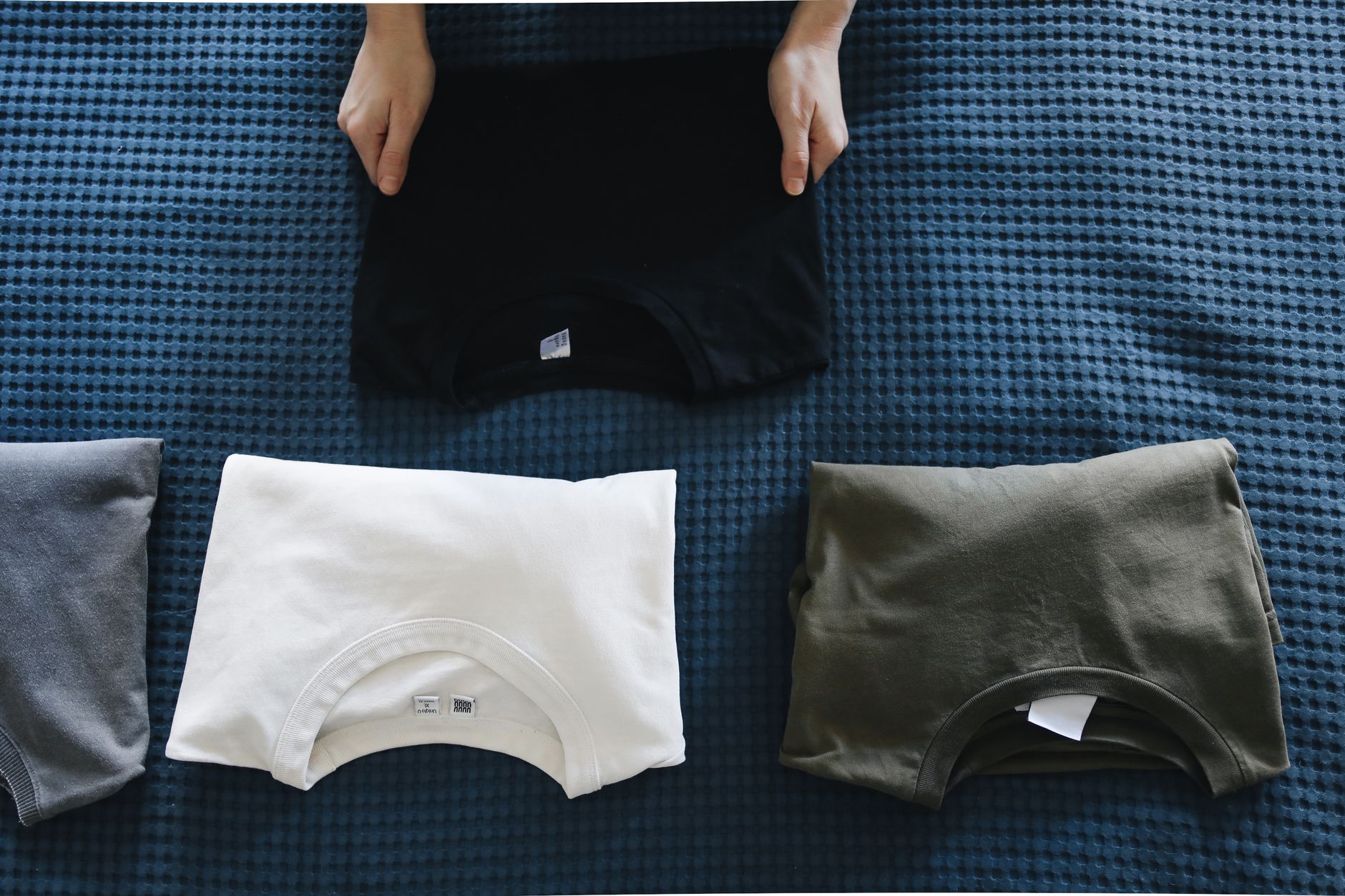
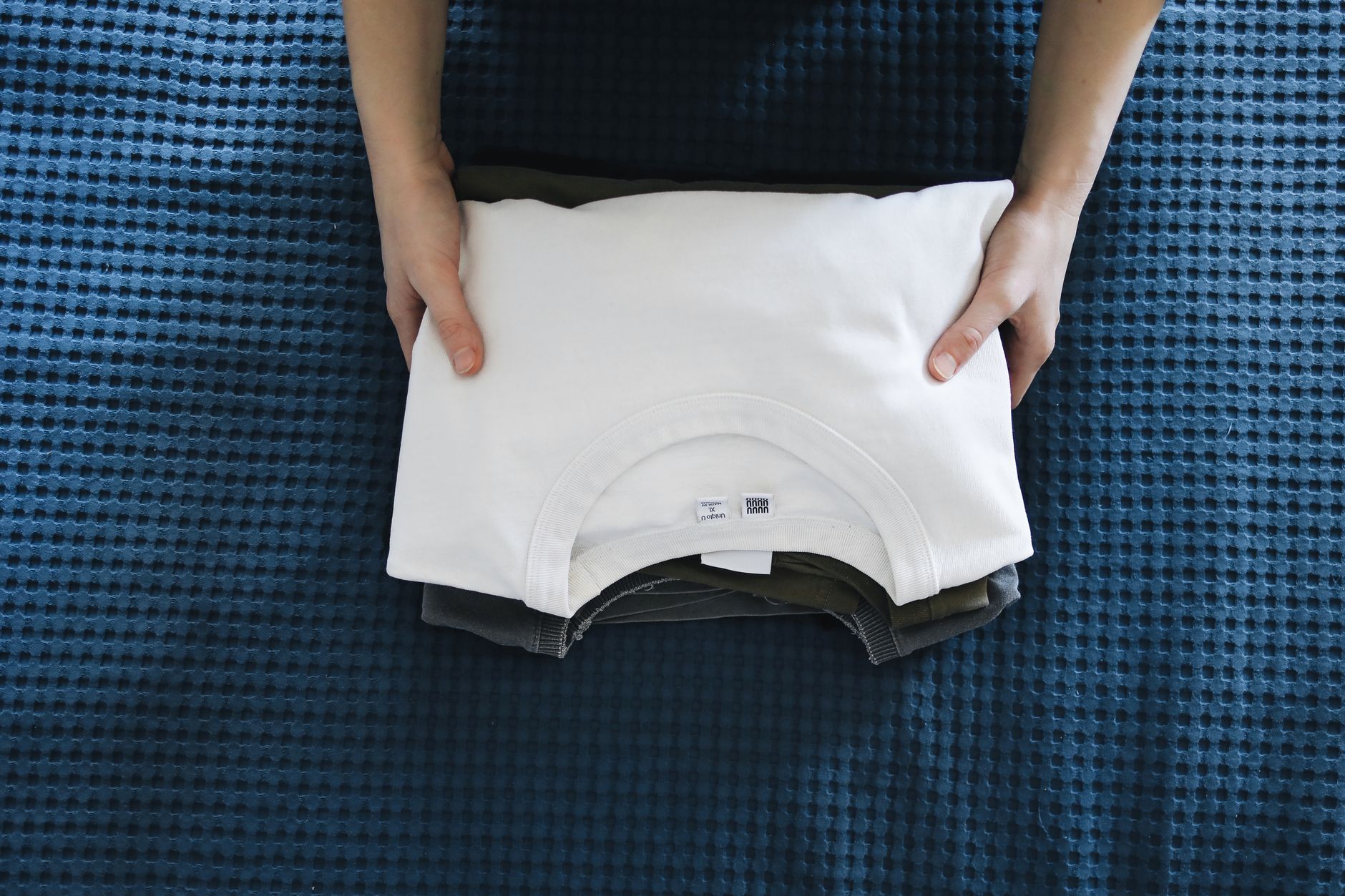
- Fold knits, don’t hang them. Wool and cashmere keep their shape best folded flat on a shelf or in a drawer.
- Use breathable storage. Cotton garment bags let air circulate, while plastic traps moisture and can yellow fabrics over time.
- Protect against moths. Cedar blocks or lavender sachets deter pests naturally, without the harsh smell of mothballs.
- Keep it clean before storing. Even invisible body oils and food residue attract insects and set into stains during a long season in the closet.
Give each piece a little breathing room rather than cramming items together, which causes permanent wrinkles and crushes delicate textures. A well-organized closet is genuinely a form of garment care.
Frequently Asked Questions
Can I wash silk at home, or does it always need dry cleaning?
Many silk items can be hand washed in cool water with a gentle detergent. Always check the label first, and when in doubt, test a hidden area. Items with structured tailoring or “dry clean only” labels are best left to a professional.
What detergent should I use for delicate fabrics?
A mild, pH-neutral detergent made for delicates is ideal. Avoid anything with bleach, enzymes, or strong brighteners, as these can break down fine fibers and strip color.
How do I stop my sweaters from pilling?
Wash them inside out on a gentle cycle, avoid friction with rough fabrics, and store them folded. For existing pills, a fabric comb or pilling stone removes them gently without damaging the knit.
Is cold water really necessary?
For most delicate fabrics, yes. Cool water prevents shrinking, color bleeding, and the felting that ruins wool. Heat is the most common cause of irreversible damage at home.
The Takeaway
Caring for delicate fabrics at home is far less intimidating than it seems once you understand the logic behind it: identify what the fabric is, keep water cool, minimize friction, and never let heat or gravity work against you. The same gentle principles apply whether you’re rinsing a silk scarf, reshaping a cashmere sweater, or storing lace for the season. Slow down, read the labels, and treat each piece with a little intention, and your most loved garments will stay soft, vibrant, and beautifully intact for years to come.