


You can do everything right — a consistent bedtime, a dark room, no late-night scrolling — and still wake up feeling restless if the bed itself is working against you. Sheets that trap heat, a pillow that strains your neck, or a comforter that never feels quite right can quietly sabotage hours of otherwise good sleep. Most people blame stress or their schedule, when the real culprit is sitting right under them every night.
The encouraging news is that bedding is one of the few sleep factors you can fully control, and small, well-chosen changes often make a noticeable difference within a week or two. This guide breaks down how to think about each layer of your bed — from the fibers in your sheets to the loft of your pillow — so you can build a setup that actually helps you rest, rather than one you simply got used to.
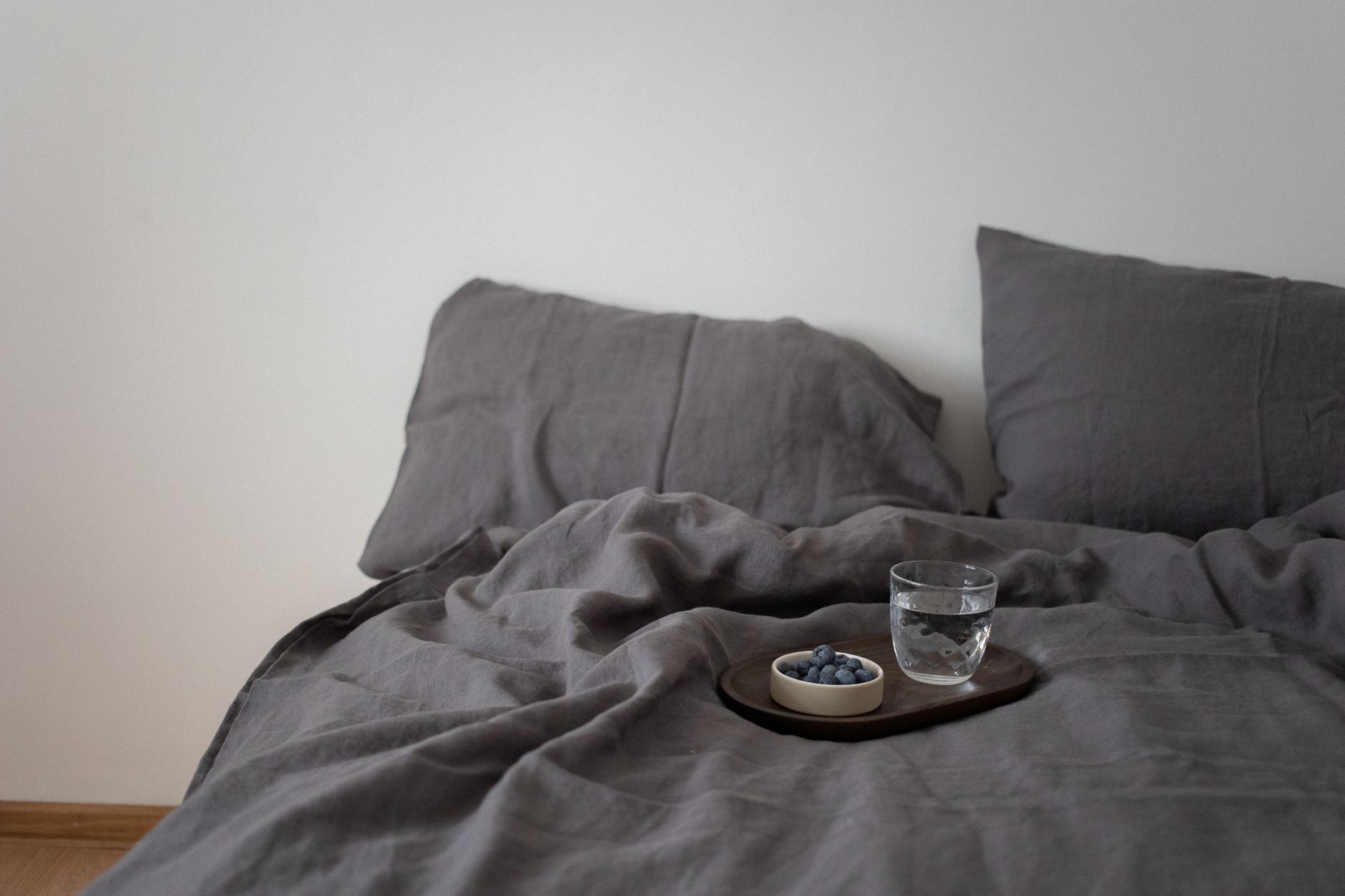
Why Bedding Affects Sleep So Much
Sleep depends heavily on temperature. As you drift off, your core body temperature naturally drops by a degree or two, and anything that interferes with that cooling process can keep you tossing or wake you in the early hours. Bedding sits directly against your skin for seven or eight hours, so the materials you choose play a surprisingly large role in whether your body can settle into deep, uninterrupted rest. A fabric that breathes lets heat and moisture escape; one that doesn’t traps a warm, damp layer right where you least want it.
Comfort matters too, but it’s more than a luxury. When a surface feels right, your body relaxes faster and stays still longer, reducing the micro-awakenings that fragment sleep without you ever remembering them. The goal of good bedding isn’t just to feel pleasant at the moment you climb in — it’s to support steady temperature and comfort across the whole night, every night.
Understanding Sheet Materials
Sheets are where most people feel the biggest difference, and the fiber matters far more than the marketing on the package. Because the sheet is the layer touching your skin most directly, getting it right pays off more than almost any other choice. Each common material has a distinct personality:
- Cotton — breathable, durable, and easy to wash; a safe all-rounder for most sleepers. Long-staple varieties like Egyptian or Pima cotton resist pilling and feel smoother because the longer fibers create fewer loose ends.
- Linen — exceptionally breathable and great for warm sleepers; it softens with every wash and regulates temperature well, though it wrinkles by nature and feels textured rather than slick.
- Bamboo-derived fabrics — silky, cool to the touch, and good at wicking moisture, making them popular with people who sleep hot or live in humid climates.
- Microfiber — soft and inexpensive, but it tends to trap heat and hold static, so it suits cooler rooms better than warm ones.
- Tencel and other wood-pulp fibers — smooth and moisture-managing, a gentler option for sensitive skin that bridges the gap between cotton and silk.
If you regularly wake up sweaty, lean toward linen, bamboo, or a crisp cotton percale. If you tend to feel cold, a smoother sateen or a brushed flannel can hold warmth without overheating you. Matching the fiber to your own body — and your climate — is more important than chasing any single “best” material. There is no universal winner; there’s only the right fit for how you sleep.
The Truth About Thread Count
Thread count — the number of threads woven into a square inch — gets treated as the ultimate quality stamp, but it’s widely misunderstood. Beyond a certain point, a higher number does very little, and manufacturers sometimes inflate it by counting individual plies within a single thread, padding the figure without improving the feel. A sheet advertised at 1,000 may simply be a 250-count fabric with the math stretched.
For pure cotton, a thread count somewhere between 200 and 600 generally delivers everything you need; numbers far above that often signal marketing more than quality. Pay attention instead to the weave and the fiber length, both of which shape how a sheet actually performs. A simple rule:
- Percale — a plain, one-over-one-under weave that feels crisp, matte, and breathable, ideal for warm sleepers who like a cool, hotel-style hand.
- Sateen — a smoother weave with more threads on the surface, giving a soft sheen and a silkier, slightly warmer feel for those who prefer it draped and luxurious.
- Twill or flannel — denser, brushed finishes that hold heat well, suited to cold rooms and winter months.
Choosing the right weave for your preferences will affect your comfort far more than fixating on a high thread-count figure ever will. When in doubt, trust your hand over the headline number on the label.

Choosing the Right Pillow
A pillow’s job is to keep your head and neck aligned with your spine, and the ideal choice depends almost entirely on how you sleep. The wrong loft — the height and firmness of the pillow — is a common, overlooked cause of morning neck and shoulder pain, and no amount of premium fabric elsewhere will make up for it.
- Side sleepers need a firmer, higher pillow to fill the gap between the shoulder and head and keep the neck level with the spine.
- Back sleepers do best with medium loft that cradles the natural curve of the neck without pushing the head forward.
- Stomach sleepers should choose a thin, soft pillow — or none at all — to avoid arching the neck backward through the night.
- Combination sleepers who shift positions benefit from an adjustable pillow whose fill can be added or removed to find a middle ground.
Fill type matters as well. Memory foam contours closely and supports steadily but can sleep warm; down and down-alternative feel plush and moldable; latex stays cool and resilient and resists flattening. Whatever you pick, pillows wear out faster than people expect — losing loft, gathering dust mites, and absorbing oils — so replacing them every couple of years protects both comfort and hygiene.
Comforters, Duvets, and Layering
The top layer of your bed is your main temperature dial, and the smartest approach is to think in terms of layers you can adjust rather than one heavy blanket you’re stuck with year-round. A breathable duvet with a removable, washable cover gives you flexibility across seasons and keeps the whole thing far easier to clean. Many people also reach for a tog rating — a measure of warmth — choosing lighter for summer and heavier for winter.
When choosing fill, consider both warmth and how your body runs:
- Down — extremely light and warm, excellent for cold rooms, though it can feel too hot for some and may trigger allergies.
- Down-alternative — a hypoallergenic, easy-care option that mimics the loft of down at a gentler price and washes more readily.
- Cotton or wool fill — breathable and good at moisture management, helpful for sleepers who overheat, with wool in particular regulating across a wide temperature range.
Layering a lightweight blanket beneath a duvet lets you peel back warmth as the night or the season changes. The aim is a bed you can fine-tune, so you stay in that comfortable, sleep-friendly temperature zone instead of kicking everything off at 3 a.m. and then reaching for it again an hour later.
Caring for Bedding to Keep It Working
Even the best bedding loses its benefits if it isn’t maintained, and clean bedding genuinely supports better sleep. Skin, sweat, and dust accumulate quickly, which can irritate allergies and make a once-fresh bed feel stale. A common mistake is washing too rarely, or too aggressively — both shorten the life of good fabric. A simple routine keeps everything performing the way it should:
- Wash sheets weekly in warm — not hot — water to clear oils and allergens without breaking down the fibers prematurely.
- Avoid heavy fabric softeners, which coat fabrics and reduce breathability and absorbency over time; a splash of white vinegar softens just as well without the buildup.
- Rotate two sets of sheets so each gets time to rest, doubling how long both last and giving you a clean spare on hand.
- Air out duvets and pillows regularly, and follow care labels for deeper cleaning every few months to prevent dust and moisture from settling in.
Proper care doesn’t just extend the life of your bedding — it keeps the breathability and softness that made it worth choosing in the first place, so the sleep benefits hold up month after month rather than fading after the first season.
Frequently Asked Questions
How often should I replace my pillows?
Most pillows need replacing every one to two years. If yours stays folded when you bend it in half, or you’re waking with neck stiffness, it has likely lost its support and is overdue.
Are natural fibers always better than synthetic ones?
Not necessarily, but natural fibers like cotton, linen, and wool tend to breathe better and regulate temperature more effectively, which matters most for sleep. Quality synthetics can work well too, especially for budget or allergy reasons.
What’s the best bedding for hot sleepers?
Look for breathable, moisture-wicking materials such as linen, bamboo-derived fabrics, or crisp cotton percale, paired with a lightweight, layerable top blanket you can adjust through the night.
Does thread count really determine quality?
No. Beyond roughly 200 to 600 for cotton, higher numbers add little and can even be misleading. Weave type and fiber quality influence comfort far more than the thread-count figure alone.
The Takeaway
Better sleep isn’t only about habits and routines — it’s also about the surface you spend a third of your life on. When you match your sheets, pillow, and top layer to how your own body runs warm or cool and how you naturally sleep, the bed stops fighting you and starts helping. Focus on breathable fibers, the right weave, supportive loft, and adjustable layers, then keep it all clean. Do that, and a thoughtfully chosen bed quietly becomes one of the simplest, most reliable upgrades to how well you rest.