

Walking into a room that feels stuck in the wrong season is a quietly unsettling experience. Heavy wool throws in the middle of July, or thin cotton everything during a cold snap, can leave a space feeling slightly off even when you can’t name why. The room is the same one you’ve always lived in, yet it stops matching the light, the temperature, and the mood outside your window — and that mismatch is exactly what makes a home feel tired.
The good news is that you almost never need to redecorate to fix it. A handful of small, intentional changes — a different throw here, a swapped scent there — can shift the entire feel of a room in an afternoon. This guide walks through the seasonal swaps that deliver the most impact for the least effort, why they work, and how to do them without buying a pile of things you’ll only use once.
Why Seasonal Swaps Work at All
A room speaks to us through a few core signals: texture, color, light, and scent. Our sense of comfort is tuned to read those signals against the world outside. When the cues inside match the season outside, a space feels coherent and grounding. When they clash, the room reads as neglected, even if it’s perfectly clean and well arranged.
The reason small swaps punch above their weight is that you’re changing the signals, not the structure. You don’t repaint walls or move furniture — you adjust the soft, sensory layer that sits on top of everything else. Because that layer is what we actually notice day to day, refreshing it changes how the whole room feels for a fraction of the effort of a real makeover.
It helps to think of a room in two parts: a permanent base and a changeable surface. The base is your big, expensive, slow-to-move things — the sofa, the bed frame, the rug, the wall color. The surface is everything light and replaceable that sits on or near that base. Good seasonal decorating leaves the base entirely alone and treats the surface as something fluid. Once you start seeing your home this way, the whole project stops feeling like a chore and starts feeling like a quick reset you can run whenever the mood of the season shifts.
Textiles: The Fastest Swap of All
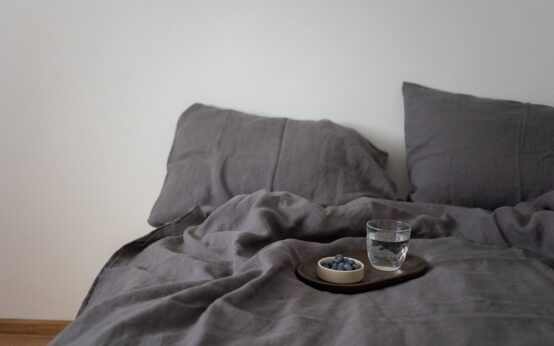
If you only change one category each season, make it textiles. Fabric carries more seasonal weight than almost anything else in a room, and it’s the easiest thing to switch out and store. A few targeted changes do most of the work:
- Throw blankets: chunky knits and faux fur in cold months, light cotton or linen weaves in warm ones.
- Cushion covers: keep the same inserts and only swap the covers — they store flat and cost little.
- Curtains: heavier, lined panels trap warmth in winter; sheer or light-filtering fabric opens a room up in summer.
- Table linens: a runner or set of napkins in a seasonal tone resets a dining area instantly.
The trick is to think in weight and texture, not just pattern. A nubby, dense weave reads as cozy and cold-weather; a smooth, breathable one reads as light and warm-weather. Even keeping the same colors but changing the texture can move a room from “summer” to “winter” convincingly. This is why a single neutral throw in two different fabrics can carry you across the whole year.
Layering matters too. In colder months, stacking a couple of throws of different textures over the arm of a sofa makes a space feel deliberately warm and inviting. In warmer months, the opposite reads better: fewer layers, more visible surface, and lighter fabrics that let the furniture breathe. You’re not just swapping items in and out — you’re changing how dense and layered the soft surfaces of the room feel overall, and that density is one of the clearest seasonal cues there is.
Color: Shift the Mood Without Repainting
You don’t need new walls to change a room’s palette — you need a few new accents in the right places. Seasonal color works best as a gentle layer over a neutral base rather than a full overhaul. A practical approach:
- Keep a neutral foundation — sofa, walls, and large rugs stay consistent year-round.
- Rotate accent tones through cushions, throws, and small objects: warm rusts, ambers, and deep greens for fall and winter; soft blues, sage, and crisp whites for spring and summer.
- Limit yourself to two or three seasonal colors at a time so the room reads as intentional, not cluttered.
Because the big surfaces never change, these swaps are cheap and reversible. You’re essentially “tinting” a neutral room toward the season, which is why a handful of small items can make a space feel completely re-dressed.
Light and Scent: The Invisible Upgrades
Two of the most powerful seasonal cues are the ones people forget to plan: how a room is lit and how it smells. Both work on us below conscious notice, which is exactly why adjusting them feels so effective.
For light, the goal shifts with the season. In darker months, layer in warmer, lower light — table lamps, candles, and soft bulbs that pool light at eye level rather than blasting it from the ceiling. In brighter months, pull curtains back, clear windowsills, and let natural light do the work. Scent follows the same logic: warm, spiced, or woody notes feel right when it’s cold, while fresh, citrus, or green notes lift a space in spring and summer.
- Swap bulbs by warmth, not just brightness — warmer tones for winter, cooler daylight tones for summer.
- Use candles or diffusers as a seasonal scent layer you can change in seconds.
- Edit what’s on surfaces so light can move freely when you want the room to feel open.

Nature and Small Objects as Seasonal Markers
Bringing a little of the outside in is one of the oldest decorating instincts there is, and it remains one of the most effective. A few natural or themed objects act as clear seasonal signposts that tie a room to the time of year without any commitment.
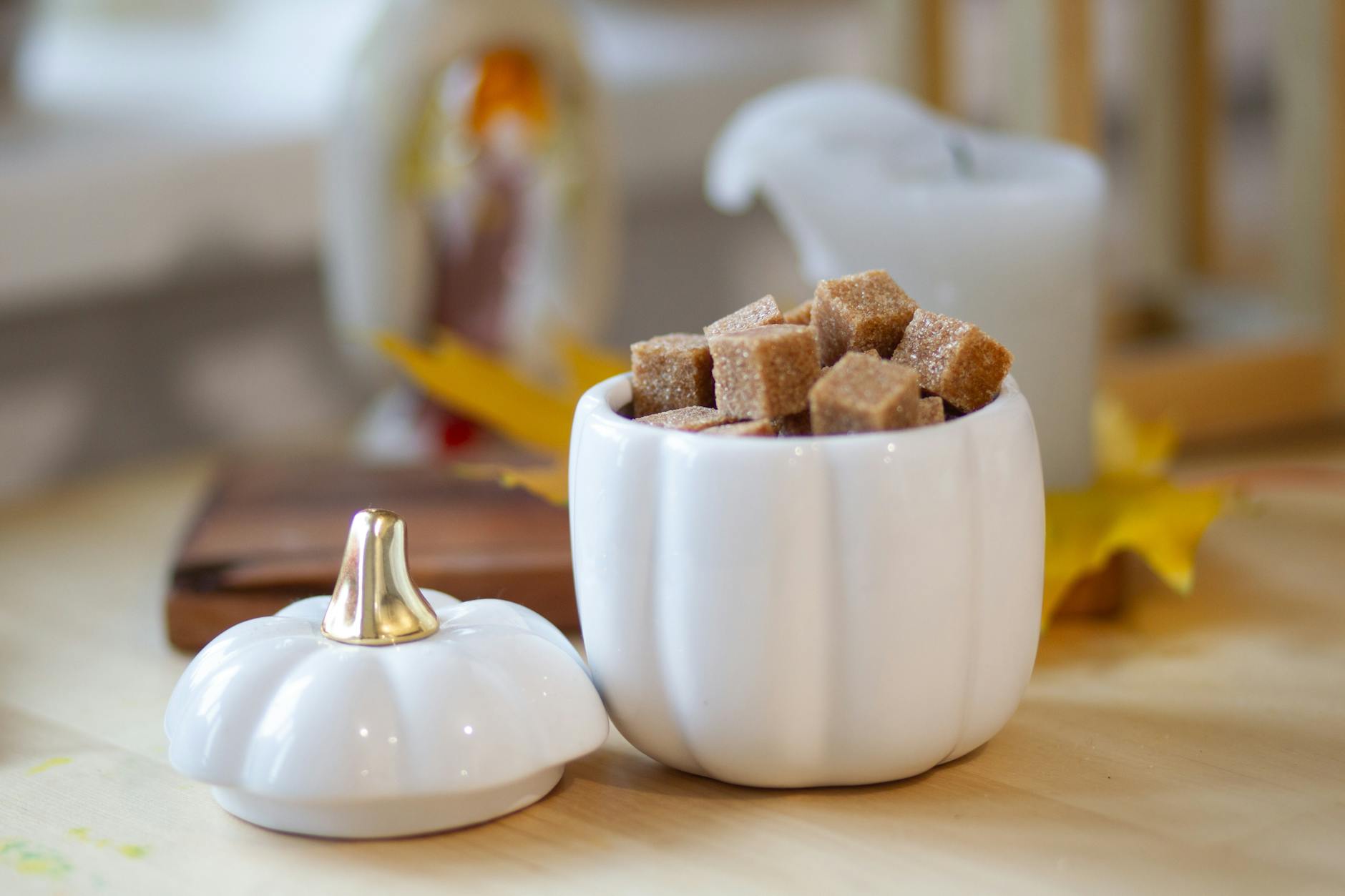
You don’t need elaborate arrangements. A bowl of seasonal fruit, a branch of evergreen, a jar of dried grasses, or a single stem in a vase can anchor a whole shelf. Rotating small decorative objects — a stack of books with seasonal spines turned out, a swapped picture frame, a different ceramic dish — gives you fresh focal points without rearranging the room. The aim is a handful of deliberate touches, not a surface covered edge to edge.
Natural materials carry seasonal meaning almost automatically, which makes them easy to lean on. Pinecones, bare branches, and wool textures feel like the cold half of the year, while fresh flowers, woven straw, and smooth river stones feel like the warm half. Grouping a few of these in odd numbers — threes and fives tend to look more relaxed than pairs — gives a shelf or table a sense of intention without any real planning. Because these markers are so low-cost and often free, they’re the part of seasonal decorating that’s easiest to keep playful and experimental.
How to Store and Reuse Without Waste
The hidden risk of seasonal decorating is accumulation: drawers slowly fill with single-use items you buy each year and forget. A small system keeps the practice sustainable and inexpensive over time:
- Store by season, not by type. One labeled bin per season means a swap takes minutes, and you can see exactly what you already own before buying more.
- Favor multi-season pieces. A neutral throw or a plain vase carries across two or three seasons; the color around it does the seasonal work.
- Repair and refresh before replacing. Washing covers, fluffing inserts, and trimming candle wicks extends the life of what you have.
- Shop your own home first. Move objects between rooms before adding anything new — a forgotten item in the bedroom may be perfect on the living room shelf.
Done this way, seasonal decorating becomes a rotation of things you already own rather than a fresh purchase every few months. The room changes; the spending doesn’t have to.
Frequently Asked Questions
How often should I swap my decor?
Four light changes a year — roughly at each season — is plenty for most homes. If that feels like a lot, a simple summer-and-winter switch still makes a noticeable difference.
Do I need a lot of storage space for this?
No. Because the swaps focus on small, soft items like covers, throws, and a few objects, a single bin or two under a bed or on a closet shelf usually holds an entire season’s worth.
What if I rent and can’t change much?
Seasonal swaps are ideal for renters precisely because nothing is permanent. Textiles, lighting, scent, and small objects require no painting or drilling and move with you when you go.
How do I avoid the room looking cluttered?
Limit yourself to two or three seasonal colors and a small number of accent objects, and remove an item for every new one you add. Restraint is what makes a seasonal room feel styled rather than busy.
The Takeaway
Refreshing a home for the season isn’t about buying more or starting over — it’s about adjusting the few sensory layers that actually shape how a room feels. Swap your textiles, tint your accents, tune your light and scent, and add a couple of natural markers, and an unchanged room will read as if it were redecorated. Keep a simple storage rhythm so the same pieces return year after year, and you get the lift of a fresh space every season without the cost or the clutter of a true makeover.