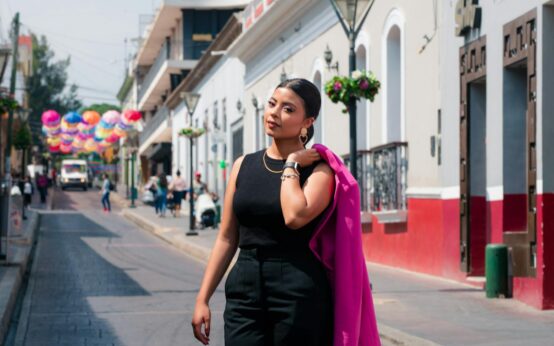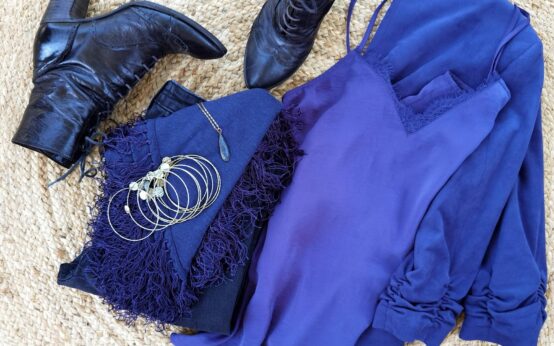


Most of us have stood in front of the mirror, half-dressed and already running late, wondering whether what we’re wearing is “too much” or “not enough” for where we’re headed. A coffee meeting, a casual dinner that turns out to be fancier than expected, a workday that rolls straight into evening plans — life rarely splits neatly into formal and casual boxes. The result is a closet full of clothes that each seem locked to a single occasion, and a constant feeling that you need a separate outfit for every moment of the day.
The good news is that this isn’t a wardrobe problem — it’s a styling skill. Learning to dress a single outfit up or down means understanding how small choices in layering, footwear, and accessories shift the entire mood of what you’re wearing. Once you see clothes as flexible starting points rather than fixed costumes, one core look can carry you from morning to night with just a few quick swaps. This guide breaks down exactly how that works.
What “Dressing Up or Down” Actually Means
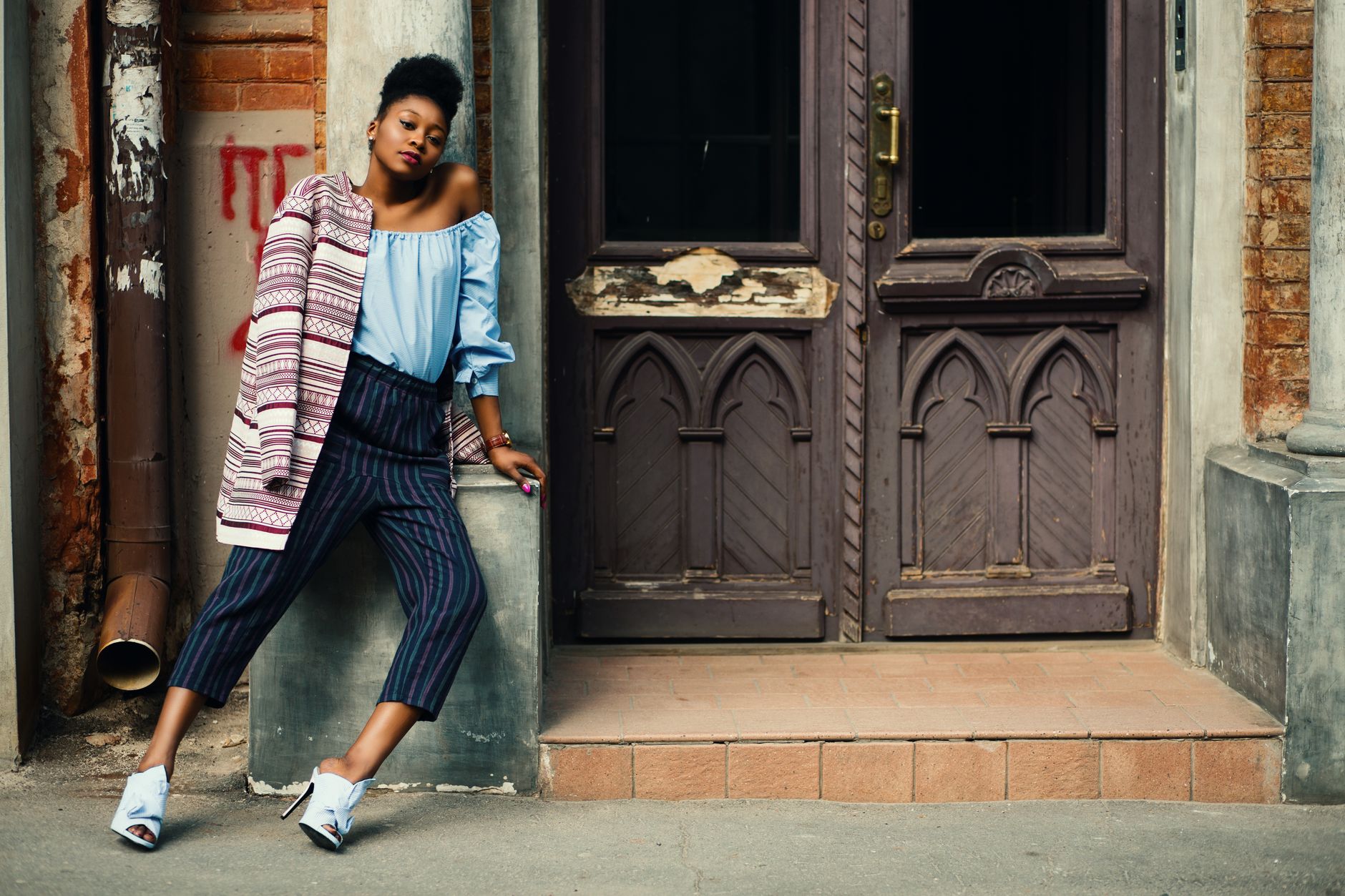
Before changing anything, it helps to understand what we’re really adjusting. “Dressing up” and “dressing down” aren’t about adding or removing clothes randomly — they’re about shifting the formality signals an outfit sends. Every piece you wear carries cues: structure, shine, texture, and color all tell the eye how relaxed or polished a look is meant to be.
Dressing up generally means leaning toward cleaner lines, smoother fabrics, darker or more uniform colors, and a more deliberate fit. Dressing down moves the other direction: softer textures, relaxed shapes, casual footwear, and a more easygoing feel. The trick is that a single base outfit usually sits somewhere in the middle, which means it can be nudged in either direction without a full change of clothes.
Start With a Versatile Base
The whole strategy depends on choosing a foundation that isn’t already locked into one mood. The most adaptable outfits are built from pieces that feel neutral on their own — neither obviously formal nor strictly casual. A few combinations tend to work especially well as a flexible base:
- A simple dress in a solid color — knee-length or midi shapes are the easiest to reposition.
- Dark, well-fitting jeans with a plain top — clean denim reads far more adaptable than distressed styles.
- Tailored trousers and a fitted knit — already polished, but easy to soften.
- A jumpsuit in a neutral tone — one piece that shifts dramatically with styling.
Notice the pattern: solid colors, clean fits, and minimal busy detail. The fewer loud features a base has, the more room you have to layer formality on top or strip it away. Think of the base as a blank canvas — its job is to stay quiet so your styling choices can do the talking.
The Power of Footwear
If you change only one thing, change your shoes. Footwear is the single fastest way to move an outfit up or down the formality scale, and the same base can feel completely different depending on what’s on your feet. The exact same jeans-and-top combination reads as weekend-casual with sneakers and as evening-ready with a heel or a sleek flat.
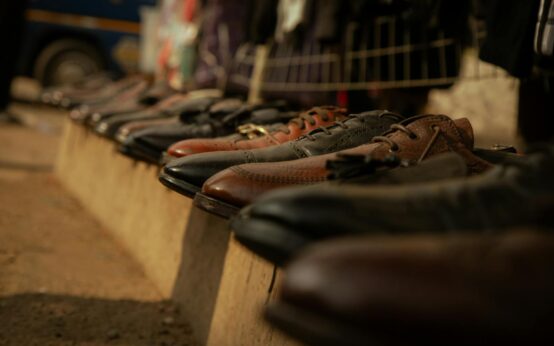
A simple way to think about it is a sliding scale. At the most relaxed end sit sneakers, canvas shoes, and casual sandals. In the middle live loafers, ankle boots, and clean leather flats. At the dressier end you’ll find heels, refined pumps, and polished dress shoes. Keeping one option from each zone in your rotation means almost any base outfit can be repositioned in seconds, without touching the rest of what you’re wearing.
It’s worth paying attention to small footwear details, too, because they carry as much weight as the style of shoe itself. A scuffed, worn sneaker pulls a look down whether you intend it to or not, while a clean white one can actually feel crisp and modern. Likewise, the finish matters: smooth leather and a defined heel read more formal, while suede, canvas, and chunky soles lean casual. When you choose footwear consciously rather than grabbing whatever is by the door, you gain real control over the impression your whole outfit makes.
Layering to Shift the Mood
After shoes, the second-most powerful lever is your outer layer. What you put over a base outfit can completely change how formal it feels, and swapping that single piece is often enough to transform a look. The layer acts like a frame around the whole outfit, telling the eye how to read everything underneath it.
- A structured blazer instantly elevates almost anything, even a plain tee and jeans.
- A denim or utility jacket pulls a dressier base back toward casual.
- A soft cardigan adds warmth and a relaxed, approachable feel.
- A tailored coat over the same outfit reads more refined and intentional.
The reason layering works so well is that the outermost piece is what people notice first. A blazer over a casual base signals “put-together” before anyone registers the jeans underneath. Conversely, a relaxed jacket softens a polished look and makes it feel effortless rather than stiff. Owning two or three contrasting layers gives you an enormous range from a single set of core clothes.

Accessories: Small Pieces, Big Shifts
Accessories are the fine-tuning dial of any outfit. They rarely change the structure of what you’re wearing, but they shift the overall impression in ways that are easy to underestimate. The same base can feel laid-back or refined depending entirely on the smaller details you add around it.
To dress an outfit up, reach for items that feel deliberate and polished: a delicate metal necklace, structured earrings, a sleek watch, or a structured bag in a clean shape. To dress it down, lean into ease: a canvas tote, a woven belt, simple studs, or no jewelry at all. Even the bag you carry sends a signal — a soft, slouchy shape reads casual, while a firm, compact one reads dressed-up.
A few accessory principles worth keeping in mind:
- Metal finishes matter. Polished gold or silver tends to elevate; matte or beaded pieces relax a look.
- Less is often dressier. Stripping accessories back can make an outfit feel cleaner and more formal.
- One statement piece is plenty. A single bold item draws the eye without making the look feel busy.
Adjusting Fit, Fabric, and Color
The most subtle level of dressing up or down lives in the details of the clothes themselves. You won’t always swap whole pieces — sometimes you simply wear the same ones differently. How an item is fitted, tucked, or rolled changes its formality without any extra purchases at all.
Small tweaks add up quickly. Tucking in a top creates a sharper, more intentional silhouette, while leaving it loose feels casual. Rolling or cuffing sleeves relaxes a structured shirt; buttoning it fully does the opposite. Beyond fit, fabric and color carry their own cues: crisp cotton, smooth knits, and darker, uniform tones lean dressy, while soft jersey, faded shades, and visible texture lean casual. Knowing these signals means you can fine-tune a look using nothing but the way you arrange what you already own.
A half-tuck — sliding just the front of a top into your waistband — is a particularly useful trick, landing neatly between fully tucked and fully loose. It adds a touch of polish while still feeling relaxed, which makes it ideal for outfits meant to bridge daytime and evening. Pairing these fit adjustments with the right fabric also keeps things believable: a flowing fabric draped loosely reads effortless, while the same fabric pressed and tucked can look surprisingly refined. The point is that you don’t always need new pieces to change a look — sometimes you just need to wear the ones you have more deliberately.
Frequently Asked Questions
What’s the easiest single change to dress up an outfit?
Swapping casual shoes for a sleeker pair and adding a structured layer like a blazer. Together, those two moves shift almost any base from relaxed to polished in under a minute.
Can I really wear the same outfit to work and to dinner?
Yes — that’s exactly what this approach is built for. Keep a dressier layer, a refined pair of shoes, and one elevated accessory on hand, and you can transition a daytime look into an evening one without going home to change.
How do I dress something down without looking sloppy?
Relaxed isn’t the same as careless. Trade formal pieces for clean casual ones — fresh sneakers instead of scuffed ones, a tidy denim jacket, a simple bag — so the look stays intentional even as it gets more easygoing.
Do colors affect how formal an outfit looks?
They do. Darker, solid, and tonal color combinations generally read more formal, while lighter, faded, or high-contrast playful colors feel more casual. Keeping a versatile base in neutral tones gives you the most flexibility to shift either way.
The Takeaway
Dressing one outfit up or down isn’t about owning more clothes — it’s about understanding the signals your clothes already send and learning to adjust them on purpose. Start with a quiet, versatile base, then use footwear, layers, accessories, and small fit changes as dials you can turn in either direction. Once you internalize how each of those levers works, getting dressed stops feeling like a guessing game. A handful of adaptable pieces, styled with intention, can carry you confidently through almost anything the day throws at you.