

Few decorating decisions feel as deceptively simple as picking a rug — and few cause as much quiet regret. A rug that looked perfect online arrives too small, swims in the middle of the floor, and somehow makes the whole room feel unfinished. Or it’s the right size but the wrong material, shedding fibers in a high-traffic hallway or showing every footprint in a busy living room. The truth is that a rug does far more than cover a floor; it anchors furniture, defines a space, softens sound, and sets the tone for everything else.
Getting it right isn’t about taste alone. It’s about matching size, material, pile, and shape to how a particular room is actually used. A bedroom asks for something soft underfoot; a dining room needs a surface that survives crumbs and chair legs; an entryway demands durability above all. This guide walks through how to read each room, choose the right dimensions, and avoid the most common mistakes — so the rug you bring home does its job for years instead of becoming a hard lesson.
Why the Right Rug Changes a Room
A well-chosen rug is one of the most efficient tools in home decorating. It can warm a cold tile floor, quiet the echo in a sparsely furnished apartment, and visually tie together pieces of furniture that otherwise feel scattered. In open-plan spaces, where one large room serves several purposes, rugs do something walls can’t: they carve out zones. A rug under the sofa says “living room,” while a separate one under the table says “dining,” even though no physical barrier divides them.
The wrong rug does the opposite. Too small, and it makes furniture look as if it’s floating. The wrong texture, and it fights the room instead of grounding it. Because a rug occupies so much visual real estate, it’s worth treating it as a foundational decision rather than an afterthought — closer in importance to the sofa than to a throw pillow.
There’s a comfort dimension too. Hard floors reflect sound and feel cold, especially in winter, and a rug introduces softness and warmth that you notice the moment you walk in. In apartments and shared walls, that sound absorption can be the difference between a room that feels harsh and one that feels calm. The right rug works on the senses as much as the eyes.
Start With Size, Not Style
Most rug regrets come down to one thing: the rug is too small. It’s the single most common mistake, and it’s easy to make because smaller rugs are cheaper and look deceptively adequate in a photo. A reliable approach is to choose size first, then narrow down color and pattern within that dimension. A few general guidelines:
- Living rooms: The rug should sit under at least the front legs of the sofa and main seating. Ideally, all the major furniture shares the rug, framing the conversation area as one unit.
- Dining rooms: The rug needs to extend far enough that chairs stay on it even when pulled out — usually around 24 inches of clearance beyond the table on every side.
- Bedrooms: A large rug centered under the bed, extending well past the sides and foot, gives you something soft to step onto. Smaller runners along each side are a budget alternative.
When in doubt, size up. A slightly larger rug almost always reads as more intentional and more expensive than one that stops short. Tape out the dimensions on the floor before committing — seeing the footprint in the actual space prevents most surprises.
Match the Material to the Traffic
Material determines how a rug feels, how it wears, and how much maintenance it demands. The right fiber depends less on looks and more on where the rug will live and who walks across it. Broadly, the choices break down like this:
- Wool is soft, naturally stain-resistant, and remarkably durable — a strong all-rounder for living rooms and bedrooms, though it carries a higher price.
- Cotton is affordable and easy to wash, making it practical for kitchens and casual spaces, but it wears faster under heavy use.
- Synthetics like polypropylene and nylon resist stains and moisture, which makes them ideal for high-traffic areas, kids’ rooms, and homes with pets.
- Natural fibers such as jute and sisal bring texture and an organic look, but they can feel rough underfoot and don’t handle spills gracefully.
Think honestly about the room’s daily life. A delicate, low-maintenance fiber in a busy entryway is a recipe for frustration, while a tough synthetic in a formal sitting room may feel like overkill. Matching durability to traffic is what keeps a rug looking good long after the novelty fades.
Consider Pile, Texture, and Comfort
Pile refers to the height and density of the rug’s fibers, and it has a bigger impact on daily life than people expect. A high, plush pile feels luxurious underfoot and adds warmth, but it traps crumbs and is hard to clean — a poor fit under a dining table or in a kitchen. A low, tight pile is easier to vacuum, lets chairs glide, and stands up to traffic, which is why it suits dining rooms, hallways, and home offices.
Texture also shapes how a room feels. A shaggy rug invites bare feet and softens a minimalist bedroom, while a flat-weave adds pattern without bulk and works almost anywhere. If you have rolling chairs, allergies, or a robot vacuum, lean toward lower piles. If the goal is pure coziness in a space you mostly relax in, a deeper pile rewards you every time you step on it.
Color, Pattern, and the Mood You Want
Once size and material are settled, color and pattern are where personality enters. The choice here often comes down to what the room needs to do. A few useful principles:
- Light, solid rugs make small rooms feel larger and airier, but they show stains and need more upkeep.
- Darker or multicolored patterns hide dirt and wear, which is a practical advantage in high-traffic or pet-friendly homes.
- Bold patterns can anchor a room full of plain furniture, while a quiet rug lets a statement sofa or artwork take center stage.
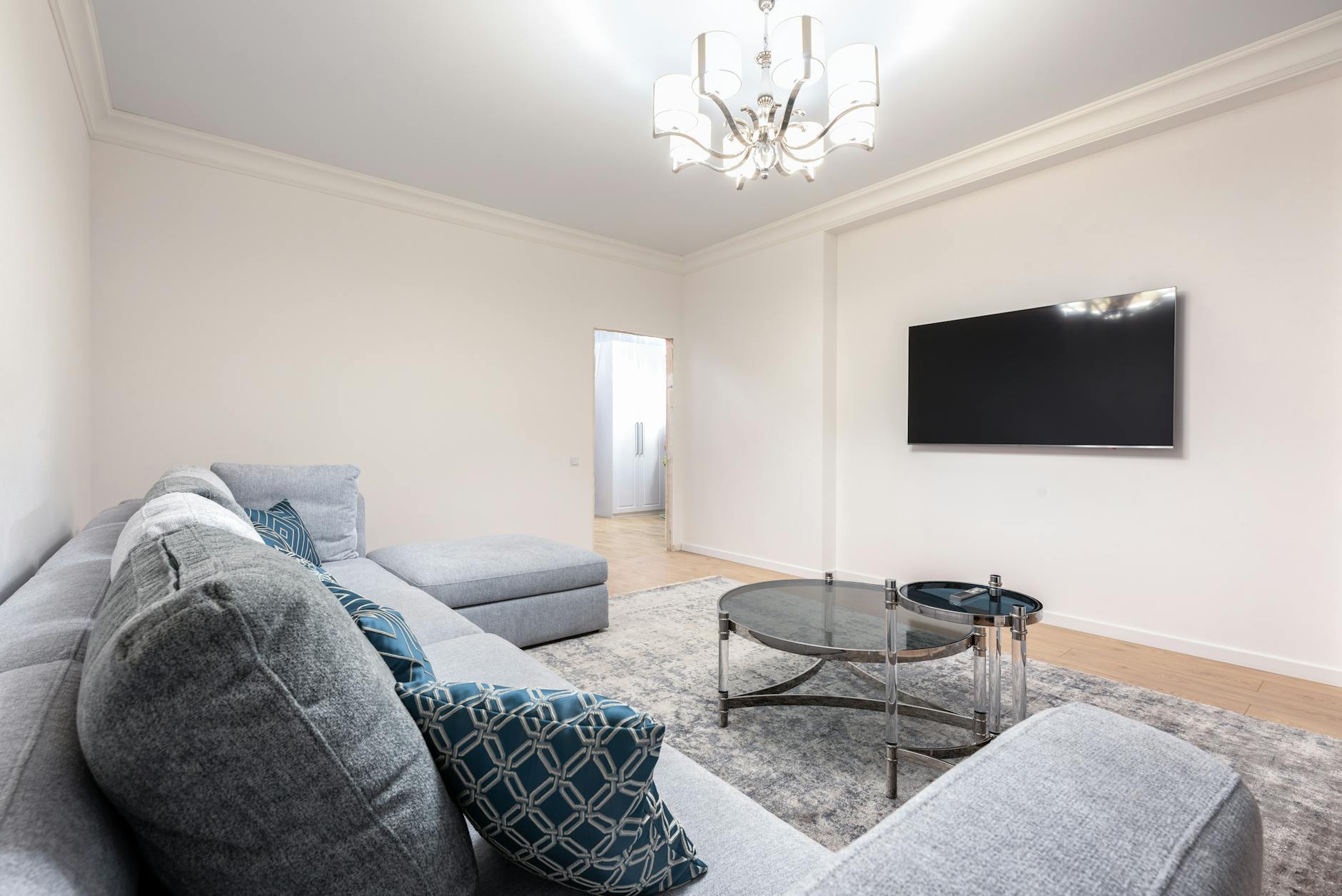
A helpful rule of thumb: if your furniture and walls are busy, choose a calmer rug; if they’re neutral, the rug can be the focal point. Either way, pull a color from something already in the room — a cushion, a curtain, a piece of art — so the rug feels connected rather than imposed.
Don’t Forget the Practical Details
A few small considerations separate a rug that works from one that becomes a daily annoyance. These are easy to overlook in the excitement of choosing a color, yet they shape the experience more than almost anything else:
- Use a rug pad. It prevents slipping, protects the floor, adds cushioning, and meaningfully extends the rug’s life.
- Check the cleaning requirements. Some rugs are machine-washable, others need professional care — know before you buy, not after a spill.
- Account for doors and walkways. A thick rug can block a door from opening; measure clearance in advance.
- Mind shedding and off-gassing. New rugs, especially natural-fiber and certain synthetics, may shed or carry an odor at first; air them out before placing them.
Thinking through these details upfront saves the disappointment of loving how a rug looks but resenting how it lives. The most successful rug is the one that disappears into the routine of a room — comfortable, durable, and easy to maintain.
Frequently Asked Questions
How big should a living room rug be?
Large enough that at least the front legs of your main seating rest on it. Ideally the rug spans the full seating area, framing it as one cohesive zone rather than a small island in the middle of the floor.
What rug material is best if I have pets?
Synthetics like polypropylene and nylon are the most forgiving — they resist stains, repel moisture, and clean easily. A low pile and a patterned or darker color also help disguise fur and the occasional accident.
Can I put a rug over carpet?
Yes. Layering a rug over carpet can add color, define a zone, or warm up a bland floor. Choose a flatter, lower-pile rug and use a specialized pad to keep it from shifting on the soft surface underneath.
How do I stop a rug from sliding?
A non-slip rug pad is the simplest and most effective fix. It grips both the rug and the floor, prevents bunching, and adds a layer of cushioning that makes the rug feel more substantial underfoot.
The Takeaway
Choosing the right rug isn’t about chasing trends — it’s about reading the room. Start with size, because a too-small rug undermines everything else. Then match the material and pile to how the space is actually used, let color and pattern set the mood, and handle the practical details like pads and cleaning before they become problems. A rug chosen this way does quiet, constant work: it grounds your furniture, softens the floor, and pulls a room together. Get those fundamentals right, and the rug you bring home will feel less like a decoration and more like the foundation the whole room was waiting for.