

Of all the rooms in a home, the bathroom is the one most people overlook when they think about comfort. It’s treated as purely functional — a place to rush through in the morning and barely notice at night. Yet it’s also one of the few spaces where you’re genuinely alone, where a warm shower or a long soak can be the calmest few minutes of an entire day. When a bathroom feels cramped, cluttered, or harshly lit, those quiet moments slip away, and the room becomes just another thing to manage rather than a place to unwind.
The encouraging news is that turning a plain bathroom into a soothing retreat has very little to do with how much money you spend. A spa-like atmosphere is built mostly from light, texture, scent, and order — none of which require a renovation. This guide walks through practical, affordable ways to soften the mood of your bathroom, declutter what’s working against you, and add small touches that make the space feel calm every single time you step inside.
Why a Calm Bathroom Matters More Than You Think
A relaxing bathroom isn’t a luxury reserved for magazine spreads. The space sets the tone for the bookends of your day — the first room you enter in the morning and one of the last you visit at night. A cluttered, chaotic environment quietly raises your stress level before you’ve even brushed your teeth, while a tidy, gently lit room does the opposite.
The goal here is atmosphere, not perfection. You’re not trying to rebuild the room or chase a particular trend. You’re aiming to reduce visual noise, soften the harsh edges, and engage the senses in a calming way. Once you start thinking of the bathroom as a place to feel something rather than just a place to function, small changes start to add up quickly.
Start by Decluttering Every Surface
Nothing undermines a relaxing mood faster than clutter, and bathrooms accumulate it relentlessly. Before buying a single new thing, clear every surface and sort what you find into three honest groups:
- Daily essentials — the handful of items you genuinely use every day. These earn a spot within easy reach.
- Occasional items — products you use now and then. These belong in a drawer or closed cabinet, not on the counter.
- Expired or forgotten — half-empty bottles, dried-out products, and things you can’t remember buying. Be ruthless here.
The vast majority of bathroom clutter falls into that last pile. Clearing it out instantly makes the room feel larger and calmer, and it costs nothing. Once the surfaces are clear, the simple act of keeping only a few intentional items on display does more for the mood than almost any product you could add.
From there, give everything that remains a designated home. Open shelves can be lined with a couple of matching containers, drawers can be divided into simple zones, and the inside of a cabinet door can hold small organizers for the things you’d rather not see. The aim isn’t a rigid system you’ll abandon in a week — it’s removing the daily friction of clutter so that tidiness becomes the path of least resistance.
Soften the Lighting
If there’s one change that transforms a bathroom more than any other, it’s lighting. Most bathrooms are lit by a single bright, cool-toned overhead fixture — perfectly fine for grooming, terrible for relaxing. Harsh white light flattens the room and makes everything feel clinical. Warmer, softer light does the opposite, instantly making the space feel cozier.
- Swap the bulb temperature. Replacing cool-white bulbs with warm-white ones (look for a lower color temperature) costs only a few dollars and changes the entire feel of the room.
- Add a secondary light source. A small lamp on a shelf or a string of soft lights gives you a gentler option for evenings, so you’re not stuck with the bright overhead.
- Use candles or flameless versions. The flicker of candlelight is deeply calming, and battery-operated alternatives offer the same glow safely.
The principle is simple: give yourself a choice. Bright light when you need to see clearly, and warm, low light when you want to wind down. That flexibility alone makes the room feel intentional rather than purely utilitarian.
Bring in Natural Textures and Greenery
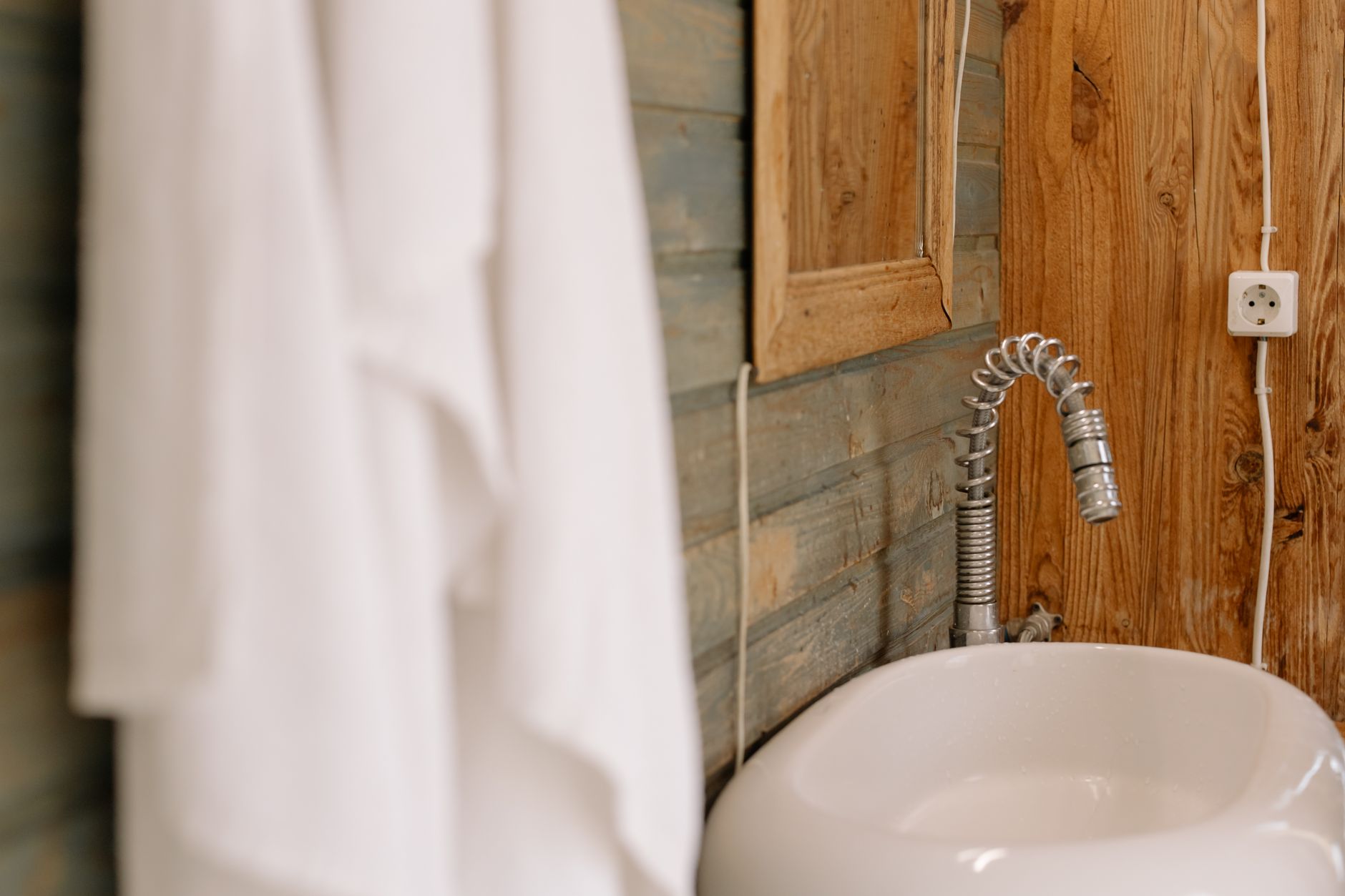
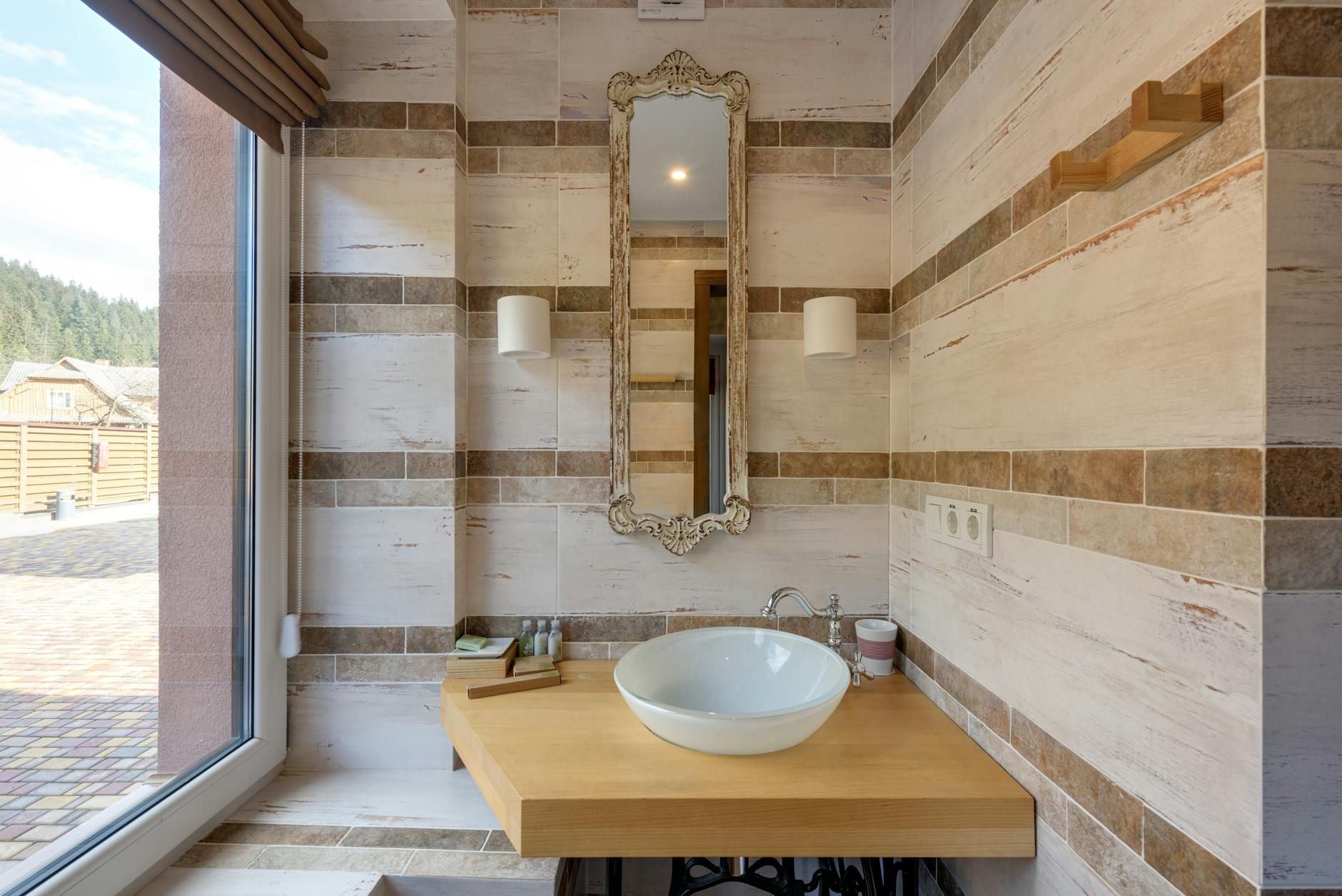
Spas feel calming partly because they layer in natural materials — wood, stone, cotton, and plants. You can borrow that effect at home for very little. Texture adds warmth and depth that smooth tile and porcelain lack, and it signals to your brain that the space is comfortable rather than sterile.
A few affordable additions make a noticeable difference. A wooden stool or tray, a woven basket for towels, and a soft cotton mat underfoot introduce warmth immediately. Plants do even more: greenery softens hard corners, adds a touch of life, and improves the sense of freshness in the room.
- Choose humidity-loving plants. Ferns, pothos, and similar varieties thrive in the warm, damp air of a bathroom with little fuss.
- Try a single statement plant. You don’t need a jungle — one healthy plant on a windowsill or shelf is enough to shift the mood.
- Pick low-light options if needed. Plenty of plants tolerate dim, windowless bathrooms, so even an interior room can have a touch of green.
Engage the Senses with Scent and Sound
A truly relaxing bathroom appeals to more than just the eyes. Scent and sound are powerful, often-overlooked tools, and they’re among the cheapest ways to create a spa-like feeling. Smell in particular has a direct line to the part of the brain that governs mood, which is why a single pleasant aroma can shift how a whole room feels.
- Layer in calming scents. Essential oil diffusers, lightly scented candles, or even a few drops of oil on a damp cloth can fill the space with lavender, eucalyptus, or citrus.
- Keep it subtle. A faint, clean scent is far more relaxing than something overpowering, so go light and build up only if you want more.
- Add gentle sound. A small speaker playing soft music or ambient noise turns an ordinary shower into a genuine moment of calm.
None of this requires a big outlay. A modest diffuser and an affordable bottle of essential oil can run for weeks, and the payoff in atmosphere is far larger than the cost suggests.
Upgrade the Small Touches That Touch Your Skin
Some of the most luxurious-feeling upgrades are also the most personal: the things you physically touch. A scratchy towel or a thin, cold bath mat can quietly undercut all the ambiance you’ve built elsewhere, while soft textiles make the room feel indulgent for very little money.
Focus your small budget on the items your body actually meets. A couple of plush, generously sized towels make stepping out of the shower feel like a treat. A thick, soft bath mat is gentler underfoot than the thin standard versions. Even swapping a worn shower curtain for a fresh, simple one can brighten the whole room. Choosing these pieces in a tight, calming color palette — soft neutrals, muted greens, or gentle blues — ties everything together and keeps the space looking cohesive rather than busy.
A few details push the feeling further without much expense. A bar of nicely scented soap left out in a small dish, a folded hand towel within easy reach, and a robe or fresh towel hung on a hook all borrow directly from the hotel-and-spa playbook. The trick is consistency: when the textiles, the colors, and even the little extras share the same restrained palette, the room reads as deliberate and serene rather than thrown together. That sense of intention is what your eye registers as relaxing.
Frequently Asked Questions
How much does it cost to make a bathroom feel relaxing?
Far less than you’d expect. Most of the impact comes from decluttering, swapping bulbs for warmer ones, and adding a plant, a candle, or a soft towel — changes that often total less than the cost of a single dinner out.
I have a tiny bathroom with no window. Can it still feel calm?
Absolutely. Small, windowless bathrooms benefit enormously from warm lighting, a clear counter, and low-light plants. Keeping surfaces clutter-free is what makes a small space feel larger and more peaceful.
What’s the single most effective change I can make?
Lighting. Replacing harsh, cool-white bulbs with warm, soft ones costs only a few dollars and transforms the mood of the entire room more than any other quick fix.
How do I keep the bathroom relaxing day to day?
The key is maintenance, not effort. Wipe surfaces, return items to closed storage, and keep only a few things on display. A two-minute reset each day preserves the calm atmosphere you’ve created.
The Takeaway
Creating a relaxing bathroom on a budget isn’t about renovation or spending — it’s about attention. When you clear the clutter, soften the light, layer in a little natural texture, and engage your senses with scent and sound, an ordinary bathroom quietly becomes a place you actually want to spend time in. Start with what you already have, change one element at a time, and prioritize the small touches your body meets every day. Do that, and the least-considered room in your home can become the most restful — without costing much at all.