

There’s a particular kind of restlessness that sets in when you’ve lived in the same rooms for a while. Nothing is exactly wrong — the furniture still works, the walls are still standing — but the space feels tired, flat, and uninspiring the moment you walk in. Many people assume the only cure is a major renovation or a budget-draining shopping spree, so they live with the staleness instead of doing anything about it. The truth is that most of what makes a home feel fresh has nothing to do with knocking down walls.
A surprising amount of transformation can happen in the span of a single weekend, using mostly things you already own and a few small additions. The trick is to focus on the changes that deliver the biggest visual payoff for the least effort. This guide walks through approachable projects you can tackle on a Saturday or Sunday — no contractor, no special skills, and no expensive overhaul required — to make your rooms feel intentional and new again.

Start With a Reset, Not a Redo
Before you change a single thing, give your space a thorough reset. It sounds almost too simple, but clutter is the number one reason a room feels chaotic and uninviting, and clearing it costs nothing. Pick one room and remove everything that doesn’t belong: stray mail, random chargers, the laundry basket that has quietly become furniture.
Once surfaces are clear, do a deep clean you normally skip — baseboards, light fixtures, the inside of windows. Clean glass alone makes a room noticeably brighter. A reset is also the best time to honestly assess what you’re working with. With the clutter gone, you can finally see the bones of the space and decide where your weekend energy will actually make a difference.
As you clear, sort items into three quick groups: things that stay in this room, things that belong somewhere else in the house, and things you no longer use at all. Be honest about that last group, because the items we hold onto “just in case” are usually the ones crowding our shelves and drawers. Putting them aside now means you start every following project with less visual noise and more room to work.
Rearrange the Furniture You Already Have
The fastest way to make a room feel brand new without spending a cent is to move the furniture. We tend to place things once and leave them forever, but a fresh layout can completely change how a space functions and feels. Try pulling seating away from the walls, angling a chair toward a window, or swapping the orientation of a bed.
A few principles help when you experiment:
- Create a focal point. Arrange seating around one anchor — a window, a fireplace, or a piece of art — instead of around the television by default.
- Leave clear walkways. Rooms feel calmer when you can move through them without weaving around obstacles.
- Float larger pieces. Pulling a sofa a few inches off the wall often makes a room feel bigger, not smaller.
- Borrow from other rooms. A side table or lamp that’s been ignored elsewhere may be exactly what a tired corner needs.
Give yourself permission to live with a new arrangement for a day before deciding. The first reaction to change is often resistance, even when the layout is genuinely better.
Let Color Do the Heavy Lifting
Few changes are as dramatic, or as weekend-friendly, as a fresh coat of paint. You don’t need to repaint an entire home to feel the effect. A single accent wall, a painted door, or a refreshed piece of furniture can shift the entire mood of a room in an afternoon.
If a full wall feels intimidating, start smaller. Paint the inside of a bookshelf for a pop of color behind your books, give a dated cabinet a new finish, or refresh window trim that’s gone dingy over the years. When choosing a color, test it on the actual wall and look at it in both daylight and lamplight — paint colors shift dramatically depending on the light, and the swatch in the store rarely tells the whole story. Soft, muted tones tend to feel calming, while a deeper, saturated shade can make a small room feel cozy and deliberate rather than cramped.
Refresh With Textiles and Soft Touches
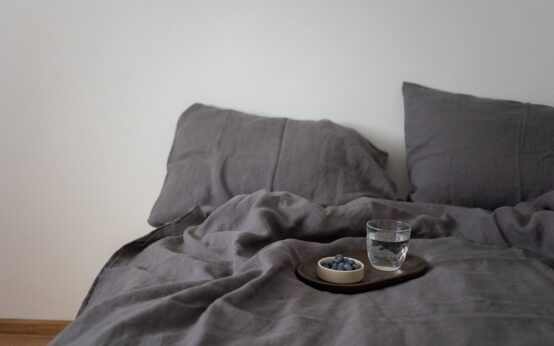
Hard surfaces give a room its structure, but textiles give it warmth and personality. Swapping soft furnishings is one of the easiest ways to signal a new season or a new mood, and it requires zero tools. Think about the fabrics your eyes and hands actually touch every day.
- Throw pillows and covers. New covers over existing inserts can transform a sofa for a fraction of the effort of replacing it.
- Blankets and throws. A folded throw over an armrest adds instant texture and an invitation to relax.
- Curtains. Hanging curtains higher and wider than the window makes ceilings look taller and rooms more generous.
- Rugs. A rug anchors a seating area and softens echoey, hard-floored rooms. Layering a smaller rug over a larger one adds depth.
Mixing textures — a chunky knit against smooth linen, a woven basket beside a glossy surface — keeps a space from feeling flat. You’re not aiming for everything to match; you’re aiming for everything to feel like it belongs together.
Rethink Your Lighting
Lighting is the most underrated tool in any home, and it’s often the real reason a room feels uninviting. Most spaces rely on a single overhead fixture that flattens everything beneath it. The fix is to build light in layers, so you can adjust the mood depending on the time of day and what you’re doing.
Aim for three kinds of light in a room: ambient light that fills the space, task light for reading or cooking, and accent light that highlights something you love. A weekend lighting refresh might mean adding a floor lamp to a dark corner, placing a small lamp on a shelf, or simply swapping harsh bright bulbs for warmer-toned ones. Warm, lower light in the evening makes a space feel restful, while cooler light keeps work areas alert. If you can add dimmers, even on a single lamp, you gain enormous control over atmosphere with very little effort.
Pay attention to where shadows fall, too. A single ceiling light tends to leave the corners of a room dim, which makes the whole space feel smaller and less welcoming. Placing a lamp in those darker corners pushes the boundaries of the room outward and adds a sense of depth. Don’t overlook natural light either — pulling curtains fully clear of the window during the day, or moving a tall object that blocks the glass, can flood a room with daylight you didn’t realize you were missing.
Bring in Greenery and Personal Details
A room can be beautifully arranged and still feel like a showroom — pleasant, but impersonal. The final layer that makes a space feel like yours is life and meaning. Plants are the quickest way to add that. Greenery introduces color, softens hard edges, and makes a room feel cared for and alive.
If you’re nervous about keeping plants alive, start with low-maintenance varieties that tolerate neglect, or mix in a few quality faux stems where light is poor. Beyond plants, lean into the personal:
- Display what you love. Photos, travel finds, and books you’ve actually read tell your story better than generic decor.
- Curate, don’t crowd. A few meaningful objects with breathing room read as intentional; too many become clutter again.
- Group in odd numbers. Arranging items in threes or fives tends to look more natural and balanced.
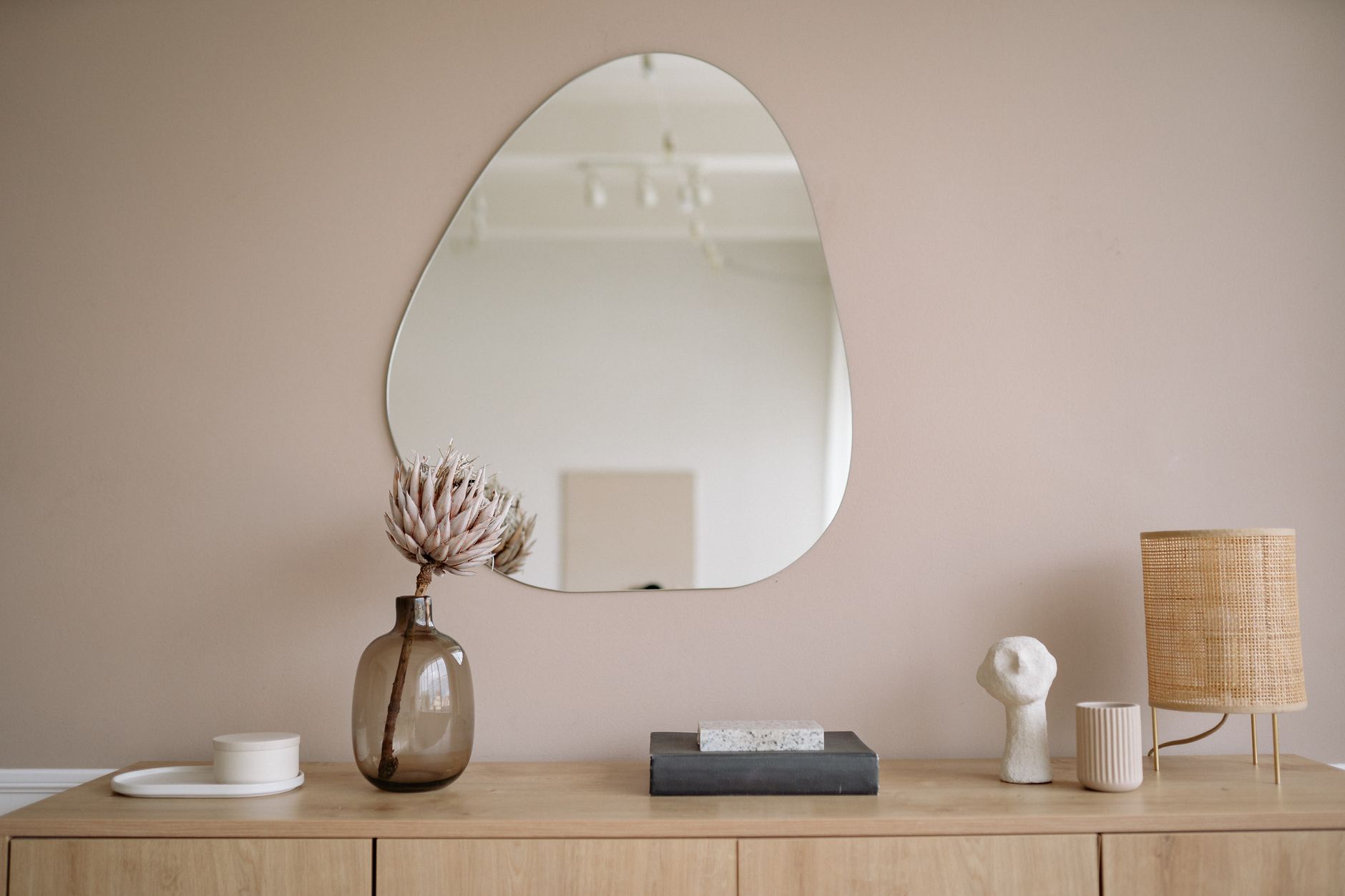
- Vary the height. Combine tall, medium, and short objects so the eye moves naturally across a surface.
These small, personal touches are what turn a refreshed room into a home that actually feels good to be in.
Frequently Asked Questions
How much can I really change in one weekend?
Quite a lot, if you focus. Decluttering, rearranging furniture, swapping textiles, and updating lighting can all happen in two days. Save anything that requires drying time, like paint, for the start of the weekend so it has time to set.
Do I need to spend a lot of money to refresh a room?
No. The highest-impact projects — cleaning, rearranging, restyling shelves, and reworking lighting — are largely free or low cost. New paint or a few textiles add the most visible change for the least spending.
Where should I start if a whole room feels overwhelming?
Begin with a reset. Clearing clutter and deep-cleaning one surface or corner gives you a clean slate and an immediate sense of progress, which makes the bigger decisions feel far less daunting.
How do I avoid making the room feel cluttered again?
Give every item a home and leave open space on purpose. When you add decorative pieces, edit as you go — if a surface starts to feel busy, remove something rather than adding more around it.
The Takeaway
Refreshing your space doesn’t require a renovation, a big budget, or a free month — it requires a clear eye and a focused weekend. Start by resetting and decluttering so you can see what you have, then layer in changes that punch above their effort: a new furniture arrangement, a bit of color, fresh textiles, smarter lighting, and a few personal touches that bring the room to life. The goal isn’t a perfect, magazine-ready space; it’s a home that feels lighter, more intentional, and genuinely yours. Tackle one project at a time, and by Sunday evening you’ll walk into rooms that feel brand new — without having spent much at all.